
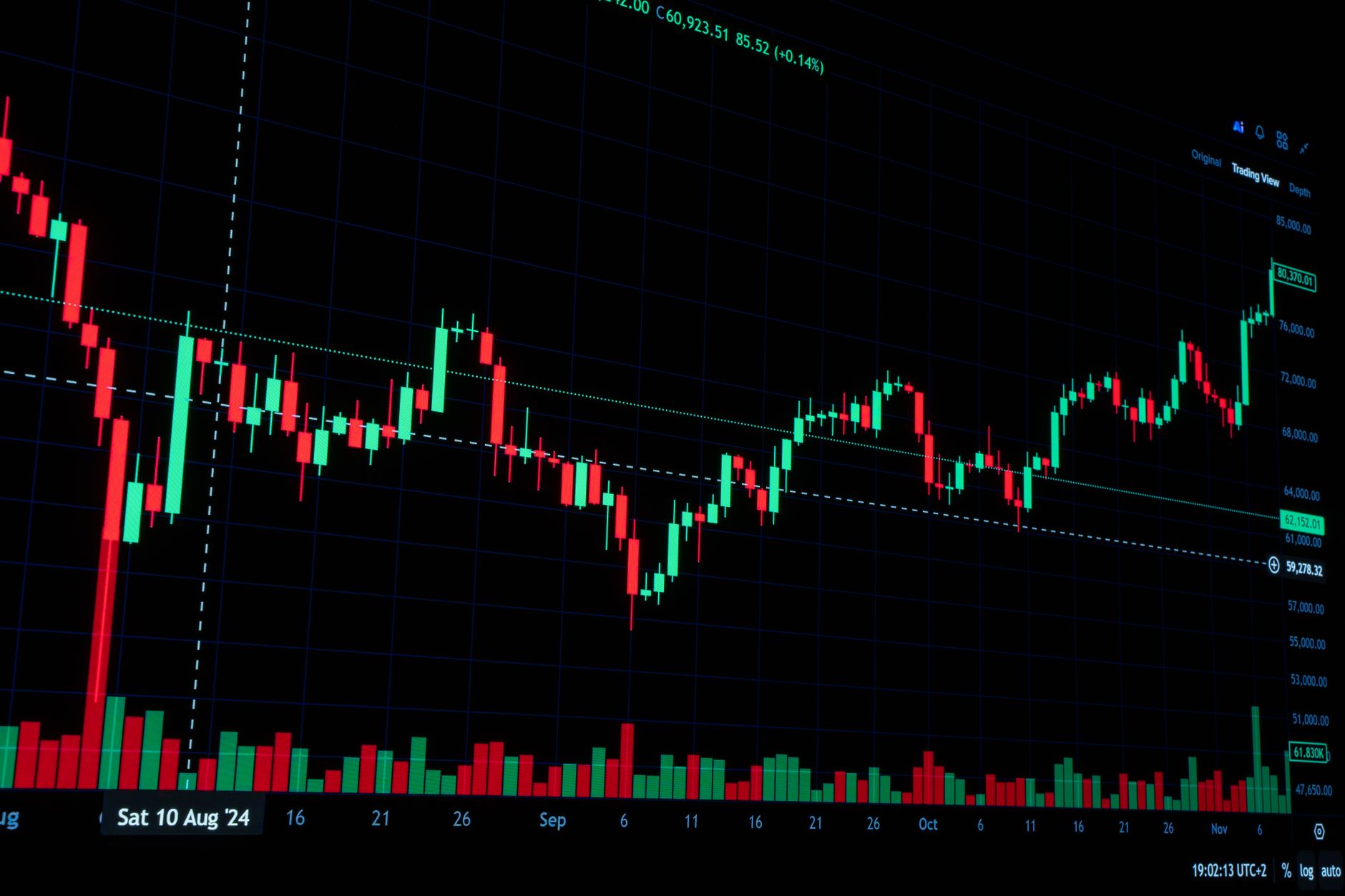
U.S. stock futures are showing promising signs after recent market fluctuations. Investors are keen to understand the implications of this rise in the context of the hawkish Federal Reserve’s influence on Wall Street.
Understanding U.S. Stock Futures
U.S. stock futures serve as indicators of how the market may perform when it opens. They provide investors with insights into potential price movements based on various economic factors and global events. Recently, U.S. stock futures have shown positive signs, suggesting a potential rebound in the market.
Understanding the dynamics influencing U.S. stock futures is essential for traders and investors alike. Key factors include:
- Economic Data: Reports on employment, inflation, and consumer spending can sway futures.
- Federal Reserve Policy: Decisions regarding interest rates impact market sentiment significantly.
- Global Events: Political developments and international trade agreements can lead to fluctuations.
- Corporate Earnings: Anticipated earnings reports from major companies can drive futures higher or lower.
By staying informed about these elements, investors can develop proven strategies to navigate the complexities of U.S. stock futures.
Impact of the Federal Reserve
The recent decisions by the Federal Reserve have significantly influenced U.S. stock futures, showcasing a complex interplay between monetary policy and market reactions. The Fed’s hawkish stance, aimed at curbing inflation, initially raised concerns among investors, prompting volatility in the markets. However, as analysts digested the implications of these policies, U.S. stock futures began to display positive signs.
This shift can be attributed to several factors:
- Investor Sentiment: Many investors are adapting to the new interest rate environment, leading to a stabilization in market expectations.
- Economic Indicators: Recent data suggest a resilient economy, which may support corporate earnings and bolster stock prices.
- Market Adjustment: As traders recalibrate their strategies, U.S. stock futures reflect a more optimistic outlook for the near term.
Overall, the Federal Reserve’s actions are pivotal in shaping the trajectory of U.S. stock futures as investors navigate the evolving economic landscape.
Market Reactions Explained
In the wake of recent Federal Reserve announcements, U.S. stock futures have begun to show positive signs, reflecting a cautious optimism among investors. Analysts attribute this shift to several key factors that have influenced market reactions.
- Investor Sentiment: A more hawkish stance from the Fed has led to an increased focus on interest rates, prompting traders to adjust their expectations for future economic growth.
- Corporate Earnings: Positive earnings reports from major companies have bolstered confidence, suggesting that businesses are resilient despite economic headwinds.
- Global Market Trends: International markets are also responding favorably, with many major indices experiencing gains, which tends to boost U.S. stock futures.
As investors digest these developments, the outlook for U.S. stock futures remains optimistic, especially as proven strategies continue to guide decision-making in this volatile environment.
Investing Strategies for Success
Investors are increasingly looking for effective strategies to navigate the complex landscape of U.S. stock futures. With the recent fluctuations in the market, employing proven techniques can lead to greater success. Here are some key strategies to consider:
- Diversification: Spreading investments across different sectors can help mitigate risks associated with U.S. stock futures.
- Technical Analysis: Utilizing charts and indicators can provide insights into market trends and potential entry points.
- Staying Informed: Keeping abreast of economic news, particularly Federal Reserve announcements, can help anticipate movements in U.S. stock futures.
- Setting Stop-Loss Orders: This can protect investments by automatically selling stocks when they reach a certain price.
- Long-Term Focus: Emphasizing a long-term investment horizon can reduce the impact of short-term volatility.
By integrating these strategies, investors can better position themselves for success in the evolving market landscape.
Economic Indicators to Watch
As investors look to navigate the ever-changing landscape of the markets, several key economic indicators should be closely monitored. These indicators can provide insights into the future direction of U.S. stock futures and overall market performance.
- Employment Data: The monthly jobs report reveals critical information about the health of the labor market, influencing investor sentiment significantly.
- Inflation Rates: Inflation metrics, such as the Consumer Price Index (CPI), can impact monetary policy decisions and, in turn, stock futures.
- Gross Domestic Product (GDP): GDP growth rates offer a comprehensive view of economic performance, which directly correlates with stock market movements.
- Consumer Confidence Index: A higher consumer confidence level often leads to increased spending, positively affecting U.S. stock futures.
Staying informed about these indicators will help investors make more informed decisions and better understand the potential fluctuations in U.S. stock futures.
Trends in Wall Street
As U.S. stock futures continue to show positive signs, analysts are closely monitoring the latest trends on Wall Street. Recent upticks in futures suggest a potential rebound, despite previous challenges posed by a hawkish Federal Reserve. Investors are keen to understand how these fluctuations might influence their portfolios.
Market experts note several key trends that are shaping investor sentiment:
- Increased Optimism: The recent rise in U.S. stock futures has sparked renewed confidence among traders, signaling a possible shift in market dynamics.
- Sector Performances: Technology and energy stocks are leading the charge, reflecting investor interest in sectors poised for growth.
- Economic Data Releases: Upcoming reports on job growth and inflation are anticipated to further guide market directions.
- Global Influences: International events continue to impact U.S. stock futures, with geopolitical tensions and trade agreements playing significant roles.
As these trends evolve, investors are advised to remain agile in their strategies to capitalize on potential opportunities.
Expert Insights on Future Movements
As the market reacts to recent developments, experts are weighing in on the potential movements of U.S. stock futures. Analysts highlight that a strategic approach is essential for investors looking to navigate the current landscape.
One key observation is the impact of interest rates. Jane Smith, a leading market analyst, notes that “the hawkish stance of the Federal Reserve has led to rising U.S. stock futures, signaling a cautious optimism among investors.”
Additionally, experts suggest that monitoring earnings reports and geopolitical events will be crucial in the coming weeks. John Doe, a financial strategist, emphasizes the importance of diversification, stating, “Investors should consider a mix of sectors to mitigate risks as the market fluctuates.”
With these insights, investors are encouraged to remain vigilant and adaptable. Staying informed and responsive can make a significant difference in investment outcomes.
Conclusion and Key Takeaways
In conclusion, the recent movements in U.S. stock futures indicate a potential shift towards a more optimistic market outlook, despite the challenges posed by the Federal Reserve’s policies. Investors are encouraged to stay informed and adapt their strategies accordingly. Here are some key takeaways:
- Positive Trends: U.S. stock futures have shown resilience, reflecting investor confidence amidst economic uncertainties.
- Importance of Strategies: Proven investing strategies remain crucial for navigating the complexities of the market.
- Economic Indicators: Keeping an eye on economic indicators is essential for anticipating market movements.
- Expert Opinions: Insights from market experts can provide valuable guidance for both novice and seasoned investors.
- Adaptability: Flexibility and adaptability in investment approaches will be key to capitalizing on emerging opportunities.
As the landscape evolves, staying alert to these factors will help investors make informed decisions in the dynamic world of U.S. stock futures.
Photo by Rafael Minguet Delgado on Pexels