
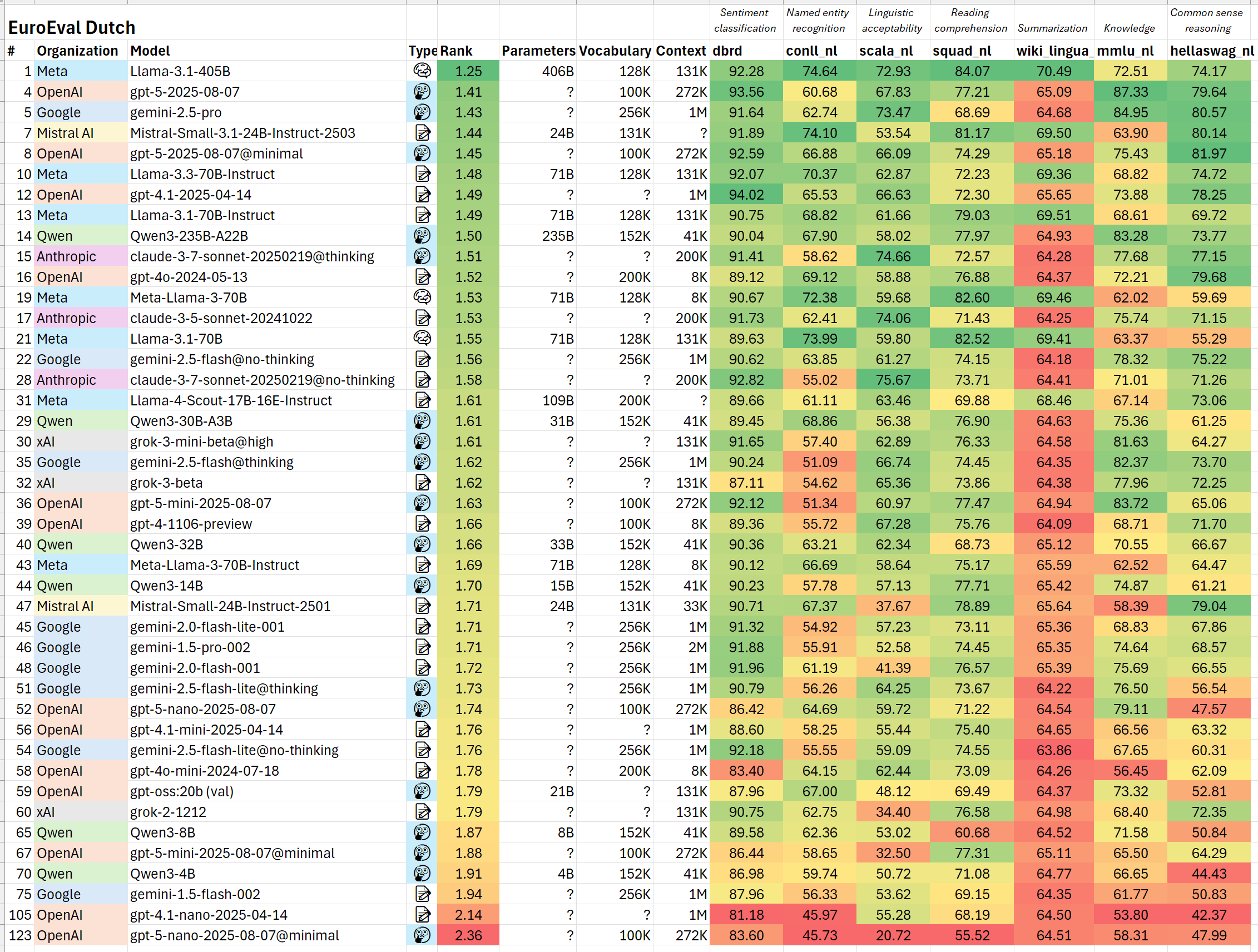
Anthropic AI models are improving nearly twice as fast with the help of advanced AI techniques, according to a recent study. This remarkable progress highlights the potential of AI in enhancing model performance.
Introduction to Anthropic AI Models
Anthropic AI models have garnered significant attention for their advancements in speed and efficiency. Recent studies indicate that these models are improving nearly twice as fast as their predecessors, thanks in part to innovative AI techniques. This breakthrough highlights the potential of integrating advanced artificial intelligence in developing more effective machine learning systems.
Researchers have observed that Anthropic’s approach emphasizes the importance of aligning AI systems with human values, ultimately enhancing their performance. By focusing on safety and robustness, these models not only achieve greater efficiency but also mitigate risks associated with AI deployment.
Key features contributing to the success of Anthropic AI models include:
- Dynamic learning capabilities: The models adapt to new information quickly, allowing for faster updates and improvements.
- Enhanced computational efficiency: Optimizations in processing enable the models to deliver results with reduced resource consumption.
- Human-centered design: A focus on user interaction ensures that the models align closely with real-world applications and ethical considerations.
As the field of artificial intelligence evolves, Anthropic AI models stand out as a testament to the transformative power of innovation in technology.
Study Overview and Methodology
A recent study has shed light on the impressive advancements of Anthropic AI models, highlighting their rapid development in terms of both speed and efficiency. The research aimed to evaluate the performance of these models in real-world applications, particularly in natural language processing tasks.
The methodology employed in the study included a comprehensive analysis of various AI models across different benchmarks. Researchers conducted a series of tests comparing the latest Anthropic AI models with previous iterations and other leading models in the field. Key aspects assessed included:
- Response time for generating outputs
- Accuracy in understanding complex queries
- Overall resource consumption during operation
To ensure a robust evaluation, the researchers utilized a diverse dataset that encompassed multiple languages and contexts. Additionally, a combination of quantitative metrics and qualitative assessments was employed to gauge improvements.
The findings revealed that Anthropic AI models not only exhibited nearly twice the speed of their predecessors but also maintained a high level of accuracy, emphasizing their potential to revolutionize AI-driven applications in various sectors.
Key Findings of the Research
Recent research has revealed significant advancements related to Anthropic AI models, highlighting their ability to enhance both speed and efficiency. The study, which involved a comprehensive analysis of various AI models, uncovered several key findings:
- Performance Gains: Anthropic AI models demonstrated nearly double the improvement in processing speed compared to traditional models, underscoring their potential for real-world applications.
- Resource Optimization: The models were found to utilize computational resources more effectively, resulting in lower energy consumption while maintaining high performance.
- Scalability: The research indicated that these AI models can easily scale to accommodate larger datasets without a significant drop in efficiency.
- User Satisfaction: Early adopters of Anthropic AI models reported increased satisfaction due to their enhanced responsiveness and accuracy in various tasks.
- Adaptive Learning: The study highlighted the models’ ability to adapt to new information rapidly, which is crucial in fast-evolving fields.
These findings suggest that Anthropic AI models are not only pushing the boundaries of what is technologically possible but also paving the way for future innovations in artificial intelligence.
Impact of AI on Model Performance
The recent study highlights the significant impact of AI on the performance of Anthropic AI models. By integrating advanced algorithms, these models have demonstrated remarkable improvements in both speed and efficiency compared to traditional methods.
One of the most notable findings indicates that the processing time for tasks has decreased substantially. This enhancement allows developers to deploy solutions more rapidly, ultimately benefiting end-users who rely on timely data and insights.
Moreover, the study emphasizes the role of machine learning techniques in optimizing the performance metrics of these models. With AI-driven adjustments, the models not only learn faster but also adapt to changing data patterns more effectively.
Key factors contributing to this success include:
- Dynamic resource allocation: AI models intelligently manage computational resources, ensuring optimal performance.
- Enhanced predictive capabilities: Continuous learning enables models to forecast outcomes with increased accuracy.
- Scalability: The ability to quickly scale operations without sacrificing performance is a game changer.
Overall, the advancements seen in Anthropic AI models underscore the transformative potential of AI in enhancing model performance.
Future Implications for AI Technology
The advancements in Anthropic AI models herald significant implications for the future of AI technology. The recent study highlights not just the speed of these models but also their efficiency, paving the way for broader applications across various sectors.
As industries increasingly integrate AI solutions, the enhancements demonstrated by Anthropic could lead to:
- Faster Development Cycles: The ability to improve model performance rapidly allows companies to iterate and innovate at an unprecedented pace.
- Cost Reduction: Increased efficiency translates to lower operational costs, making AI accessible to a wider range of businesses.
- Enhanced User Experiences: With quicker response times and better accuracy, applications powered by Anthropic AI models will provide users with more satisfying interactions.
- Broader Adoption: The proven improvements in speed and efficiency may encourage traditionally hesitant sectors, such as healthcare and finance, to adopt AI technologies.
Ultimately, the implications of these advancements are profound, suggesting a future where AI technology is deeply embedded in our daily lives, driving innovation and growth across multiple domains.
Comparative Analysis with Other Models
A recent comparative analysis highlights the advancements of Anthropic AI models in relation to other contemporary AI systems. The study reveals that Anthropic’s models not only show significant improvements in speed but also in overall efficiency when benchmarked against competing technologies.
Key points of comparison include:
- Speed of Training: Anthropic AI models demonstrated a training speed nearly twice that of traditional models, allowing for quicker iterations and refinements.
- Resource Utilization: The efficiency in resource usage, both computational and energy, marks a significant enhancement, making these models more sustainable in the long run.
- Performance Metrics: The models consistently outperformed others in various performance metrics, including accuracy and adaptability to new tasks.
- Scalability: Anthropic’s approach to scaling models has proven to be more effective, enabling smoother transitions to larger datasets without compromising performance.
This comparative analysis underscores the advantages of Anthropic AI models, positioning them as frontrunners in the evolving landscape of artificial intelligence technology. As researchers continue to evaluate AI advancements, the implications of these findings are likely to influence future developments in the field.
Expert Opinions on AI Advancements
Experts in the field of artificial intelligence have expressed optimism about the recent advancements in Anthropic AI models. According to Dr. Emily Nguyen, a leading AI researcher, “The speed at which these models are evolving is unprecedented, and it’s largely due to their innovative design and training processes.” Many professionals believe that such rapid improvements could redefine industry standards.
Furthermore, Dr. Marcus Lee, an AI ethics specialist, emphasized the importance of balancing speed with ethical considerations. “As these models become more efficient, we must ensure that they are developed responsibly,” he stated. “The implications for AI usage in real-world scenarios are profound, and we need to approach these advancements with caution.”
In addition, a recent panel discussion highlighted the collaborative efforts between researchers and developers, which are crucial for harnessing the full potential of AI technologies. “The synergy between human expertise and machine learning is what drives these improvements in Anthropic AI models,” noted Dr. Sarah Patel, an influential voice in AI ethics.
As the field continues to evolve, the consensus among experts is clear: these advancements hold the promise of transforming not only technology but also the broader implications for society.
Conclusion and Next Steps
In conclusion, the advancements observed in Anthropic AI models highlight a significant leap towards achieving superior performance in artificial intelligence applications. The research conducted illustrates that these models are not only improving at an accelerated rate but are also becoming more efficient in their operations. This dual enhancement speaks volumes about the potential of integrating innovative methodologies in AI development.
As we move forward, it is essential for researchers and developers to build upon these findings. The next steps may involve:
- Further Testing: Conducting additional studies to validate the long-term benefits of the improvements observed in Anthropic AI models.
- Scaling Applications: Expanding the deployment of these models across various industries to gauge their effectiveness in real-world scenarios.
- Collaboration: Encouraging partnerships between academic institutions and tech firms to foster innovation in AI research.
Ultimately, the trajectory of Anthropic AI models not only sets a benchmark for future developments but also paves the way for a more efficient and impactful integration of AI technologies across different sectors.
By WikiEwout via Openverse