
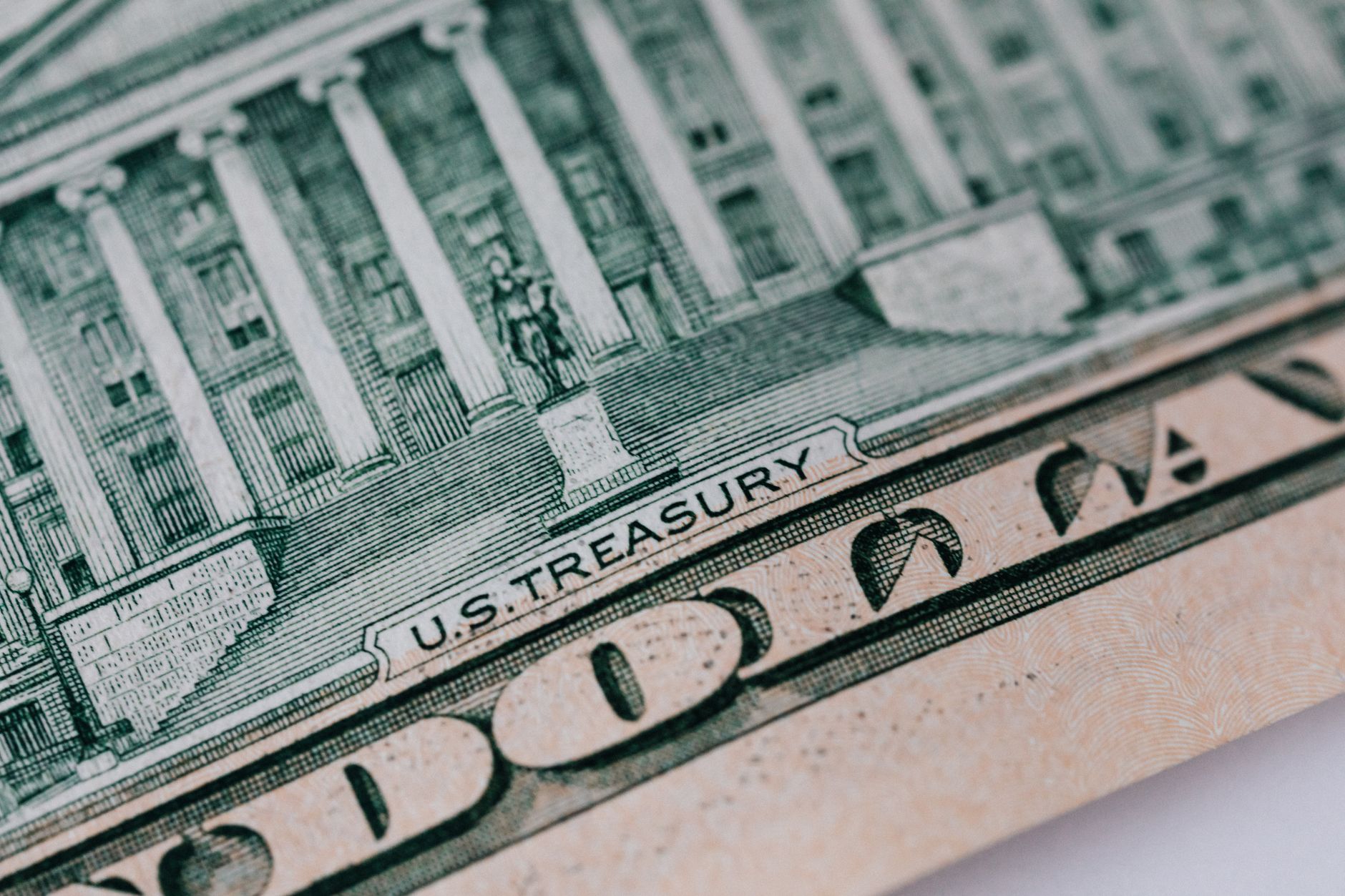
U.S. Treasury yields are experiencing a decline, cooling below 5% as the Fed rate decision approaches. This shift is significant for investors and market analysts alike.
Understanding U.S. Treasury Yields
U.S. Treasury yields are a crucial indicator of the financial health of the economy and investor sentiment. Recently, U.S. Treasury yields have dropped below 5%, signaling a shift in market dynamics as investors closely monitor upcoming Federal Reserve decisions.
The decline in yields can be attributed to several factors:
- Investor Caution: As uncertainty looms over economic forecasts, many investors are seeking the safety of government bonds, driving prices up and yields down.
- Federal Reserve Outlook: Anticipation of a potential change in interest rates by the Federal Reserve has prompted market participants to reassess their positions, contributing to the decline in U.S. Treasury yields.
- Inflation Trends: Recent data indicating easing inflation pressures may have influenced yields, as lower inflation can lead to a more stable monetary policy.
As the market navigates these complex factors, understanding the implications of U.S. Treasury yields is essential for making informed investment decisions.
Impact of Fed Rate Decisions
The recent drop in U.S. Treasury yields below 5% has significant implications as the Federal Reserve prepares for its upcoming rate decision. Market analysts are closely monitoring the situation, as changes in the Fed’s monetary policy can exert considerable influence on Treasury yields.
When the Fed adjusts interest rates, it directly affects investor sentiment and expectations regarding future economic conditions. A potential rate hike could lead to an increase in U.S. Treasury yields, as investors demand higher returns for holding government debt amidst rising borrowing costs. Conversely, if the Fed maintains or lowers rates, yields may remain subdued.
This dynamic creates a complex environment for investors. Key factors to consider include:
- Inflation rates: Higher inflation can drive yields up as investors seek compensation.
- Economic growth: Strong growth may lead the Fed to implement tighter monetary policy.
- Global market trends: Geopolitical events can influence demand for U.S. Treasuries.
Understanding these elements will be crucial for market participants navigating the evolving landscape of U.S. Treasury yields.
Current Market Trends
As the financial markets react to the upcoming Federal Reserve rate decision, U.S. Treasury yields have shown a notable decline, falling below the critical 5% threshold. This shift reflects a broader sentiment among investors who are closely monitoring economic indicators and the central bank’s monetary policy.
Market analysts attribute this drop in yields to several key factors:
- Investor Caution: Many investors are adopting a cautious stance, seeking safer assets amid uncertainty regarding future rate hikes.
- Inflation Trends: Recent data suggests that inflation may be stabilizing, which could influence the Fed’s approach to interest rates.
- Global Economic Concerns: Slowing economic growth in major economies has led to a flight to quality, driving demand for U.S. Treasuries.
As we move closer to the Fed’s announcement, market participants will remain vigilant, assessing how these dynamics will shape the future trajectory of U.S. Treasury yields and overall market stability.
Investor Reactions to Yield Changes
As U.S. Treasury yields drop below 5%, investors are reassessing their strategies in light of changing market conditions. The recent decline has prompted many to seek opportunities in various sectors, while some are adopting a more cautious approach.
Market analysts emphasize that the drop in yields can signal a shift in investor sentiment. Here are some common reactions from investors:
- Increased demand for equities: With lower yields on government bonds, investors are turning to stocks, seeking higher returns in a potentially volatile market.
- Focus on defensive sectors: Many are gravitating towards stable sectors like utilities and consumer staples, which tend to perform well in uncertain economic climates.
- Bond market diversification: Some are exploring alternative fixed-income investments, such as corporate bonds, to capitalize on better potential yields.
Overall, the shift in U.S. Treasury yields is prompting a reevaluation of investment strategies, with many looking for ways to optimize their portfolios amid evolving market dynamics.
Economic Indicators to Watch
As U.S. Treasury yields drop below 5%, investors and analysts are keeping a close eye on several key economic indicators that may influence future market movements. Understanding these indicators can provide valuable insights into the direction of U.S. Treasury yields and the overall economy.
- Inflation Rates: Monitoring inflation is crucial, as rising prices can lead to increased interest rates, impacting yields.
- Employment Data: A robust job market often signals economic strength, which can influence the Federal Reserve’s policy decisions.
- Consumer Spending: Trends in consumer spending can affect economic growth, making it an important factor for yield predictions.
- GDP Growth: The overall growth of the economy, as reflected in GDP figures, can indicate the health of the market and influence Treasury yields.
- Global Economic Conditions: Economic developments in other countries can also affect U.S. Treasury yields, as investors seek safer assets during global uncertainty.
Staying informed about these indicators will help investors navigate the complexities of the financial landscape.
Future Predictions for Interest Rates
As the U.S. Treasury yields drop below 5%, market analysts are closely monitoring future interest rate movements. Many experts predict that the Federal Reserve may adopt a more cautious approach in light of recent economic indicators. This shift could lead to a stabilization of yields, providing a more favorable environment for investors.
Key factors influencing these predictions include:
- Inflation Rates: Continued fluctuations in inflation could prompt the Fed to adjust its strategy, potentially resulting in further decreases in U.S. Treasury yields.
- Economic Growth: A slowdown in economic growth may encourage the Fed to maintain lower interest rates, which could keep Treasury yields subdued.
- Global Market Dynamics: International events and foreign investment trends may also impact U.S. Treasury yields, as foreign investors often respond to changes in U.S. monetary policy.
Overall, while there is uncertainty, many analysts believe that a sustained drop in U.S. Treasury yields could enhance the attractiveness of long-term investments.
Conclusion: What Lies Ahead
As the U.S. Treasury yields drop below 5%, market participants are left contemplating the implications of this shift. The decline in yields signals a potential change in investor sentiment, reflecting concerns over economic growth and inflationary pressures.
Many analysts are now closely monitoring several factors that could influence future trends:
- Fed Policy Adjustments: The Federal Reserve’s next moves will be critical in shaping the trajectory of U.S. Treasury yields.
- Economic Growth Indicators: Key metrics such as GDP growth and unemployment rates will provide insights into the overall health of the economy.
- Global Market Influences: International events and economic conditions may also play a significant role in U.S. Treasury yields.
In conclusion, while current market dynamics suggest a cautious approach, the future of U.S. Treasury yields remains uncertain. Investors will need to stay informed and agile as they navigate this evolving landscape.
Photo by https://kaboompics.com/ on Pexels