
oil price surge has been observed as WTI rises above $105 due to Saudi port loading suspensions and outages in Libya.
Impact of Saudi Port Suspension on Oil Prices
The recent suspension of operations at a key Saudi port has had a significant impact on global oil prices. As a result of this disruption, the price of West Texas Intermediate (WTI) crude surged above $105 per barrel, reflecting growing concerns over supply shortages.
Analysts attribute this sudden spike primarily to the following factors:
- Supply Chain Disruptions: The halt in loading operations at the Saudi port has raised alarms about the reliability of oil supplies from one of the world’s largest producers.
- Increased Demand: As economies continue to recover post-pandemic, the demand for oil has surged, compounding the effects of the supply disruptions.
- Geopolitical Tensions: Ongoing conflicts in oil-producing regions, including Libya, have further strained global oil supply, leading to heightened volatility in prices.
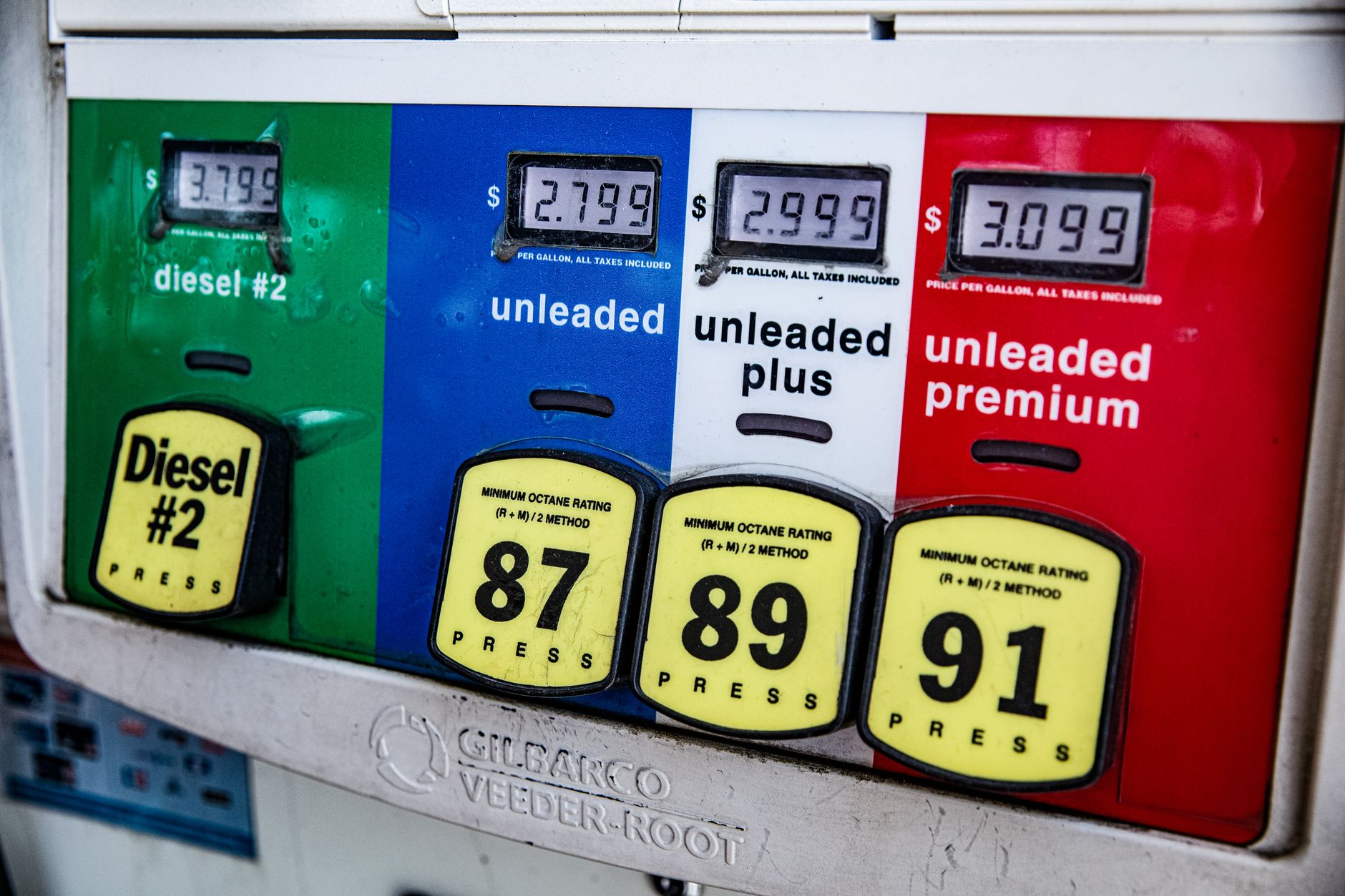
With the oil price surge, consumers may soon feel the impact at the gas pump, as rising crude costs typically translate into higher fuel prices. This situation underscores the fragility of the global oil market and the interconnectedness of geopolitical events and commodity prices.
Libya’s Oil Outage Explained
The recent oil price surge has been significantly influenced by ongoing disruptions in Libya’s oil supply. The North African nation has faced notable challenges due to political instability and infrastructure issues, which have severely impacted production levels.
As a result of these disruptions, Libya’s output has dropped, contributing to a tightening global market. Key factors affecting the country’s oil production include:
- Political Instability: Ongoing conflicts and governance issues have hindered operational efficiency in the oil sector.
- Infrastructure Damage: Aging facilities and recent attacks have led to temporary shutdowns of several oil fields.
- Export Challenges: Blockades and security concerns have restricted the movement of crude oil from ports, delaying shipments.
These factors combined have led to a reduction in Libya’s oil exports, intensifying concerns over global supply shortages. As a result, the market has reacted strongly, with WTI prices now exceeding $105 per barrel, marking a significant milestone amid the ongoing turmoil in the region.
Current Trends in Global Oil Market
The global oil market is experiencing significant fluctuations as recent events contribute to an oil price surge. As of this week, West Texas Intermediate (WTI) has reached $105 per barrel, a dramatic increase attributed to ongoing supply disruptions and geopolitical tensions.
Several factors are influencing the current trends:
- Supply Chain Issues: Disruptions in key oil-producing regions have created significant uncertainty, leading to heightened prices.
- Geopolitical Tensions: Ongoing conflicts in the Middle East and North Africa are causing concerns about stability and future production levels.
- Increased Demand: As global economies recover, demand for oil has surged, further straining supply and contributing to rising prices.
Analysts predict that unless there are substantial improvements in supply stability, the volatility in oil prices may continue. Market participants are closely monitoring developments, particularly in Saudi Arabia and Libya, as these regions play a crucial role in the global oil landscape.
Factors Driving Oil Price Increases
The recent oil price surge can be attributed to several key factors that have significantly impacted the global market. These factors include:
- Geopolitical Tensions: Ongoing conflicts in oil-rich regions have created uncertainty, leading to speculation and increased prices.
- Supply Chain Disruptions: Recent supply chain issues, such as the suspension of operations at major ports, have reduced the availability of crude oil, further driving prices upward.
- Increased Global Demand: As economies recover from the pandemic, the demand for oil has surged, putting additional pressure on supply.
- Weather-Related Interruptions: Natural disasters and adverse weather conditions have affected production and transportation, causing delays and shortages in the market.
- Strategic Reserves Management: Countries managing their strategic oil reserves have also influenced supply dynamics, as any alterations can lead to significant shifts in price.
These interconnected factors have created a volatile environment, contributing to the recent oil price surge, with West Texas Intermediate (WTI) reaching $105 per barrel.
Future Projections for Oil Prices
As the oil price surge continues to dominate the market, analysts are closely monitoring future projections for crude oil prices. With West Texas Intermediate (WTI) hitting $105, several factors are contributing to the uncertainty surrounding oil supply and pricing.
Experts predict that if current disruptions persist, prices may reach even higher levels. Key considerations influencing these projections include:
- OPEC+ Production Decisions: The strategy undertaken by OPEC+ to manage production levels will significantly impact supply and, consequently, prices.
- Geopolitical Tensions: Ongoing conflicts in oil-rich regions may lead to further disruptions, pushing prices upward.
- Global Demand Recovery: A continued rebound in global demand as economies recover from the pandemic could exacerbate supply constraints.
- Alternative Energy Transition: The gradual shift towards renewable energy sources may not sufficiently offset immediate oil demands, affecting long-term pricing.
In summary, while the oil price surge reflects current market dynamics, the future remains uncertain as various factors continue to evolve, suggesting volatility ahead for crude oil prices.
Analysis of Supply Chain Disruptions
The recent oil price surge can be attributed largely to ongoing supply chain disruptions that have created significant volatility in the market. As countries grapple with various geopolitical tensions and logistical challenges, the stability of oil supplies is increasingly called into question.
Several key factors have contributed to this instability:
- Geopolitical Tensions: Conflicts in oil-producing regions have led to fears of supply shortages.
- Natural Disasters: Hurricanes and other weather-related incidents have disrupted production and transportation.
- Infrastructure Issues: Aging infrastructure and lack of investment in oil facilities have resulted in unexpected outages.
These disruptions not only affect the immediate availability of oil but also contribute to market speculation, further driving prices upward. Traders are reacting swiftly to news of any potential supply issues, resulting in a more volatile trading environment. As a result, the oil price surge is likely to persist unless there is a resolution to these supply chain challenges.
Expert Opinions on Oil Market Fluctuations
As the oil price surge continues with WTI exceeding $105, experts are weighing in on the implications of recent supply disruptions. Analysts suggest that the ongoing issues in Saudi Arabia and Libya have intensified concerns regarding global oil supply, leading to heightened volatility in the market.
- Dr. Emily Carter, an energy economist, remarked, “The current oil price surge reflects not only the immediate supply constraints but also broader market anxiety about future availability.”
- John Mitchell, a senior analyst at a leading consultancy, noted, “We are witnessing a perfect storm of factors that are driving prices up, including geopolitical tensions and natural disasters that have impacted production capabilities.”
- Linda Zhao, a commodities strategist, emphasized, “This might just be the beginning. If these disruptions persist, we could see prices climbing even higher, affecting consumers and economies worldwide.”
With the potential for ongoing instability, the oil market remains unpredictable, and stakeholders are advised to stay informed about developments that could further influence prices.
Photo by Ekaterina Belinskaya on Pexels