
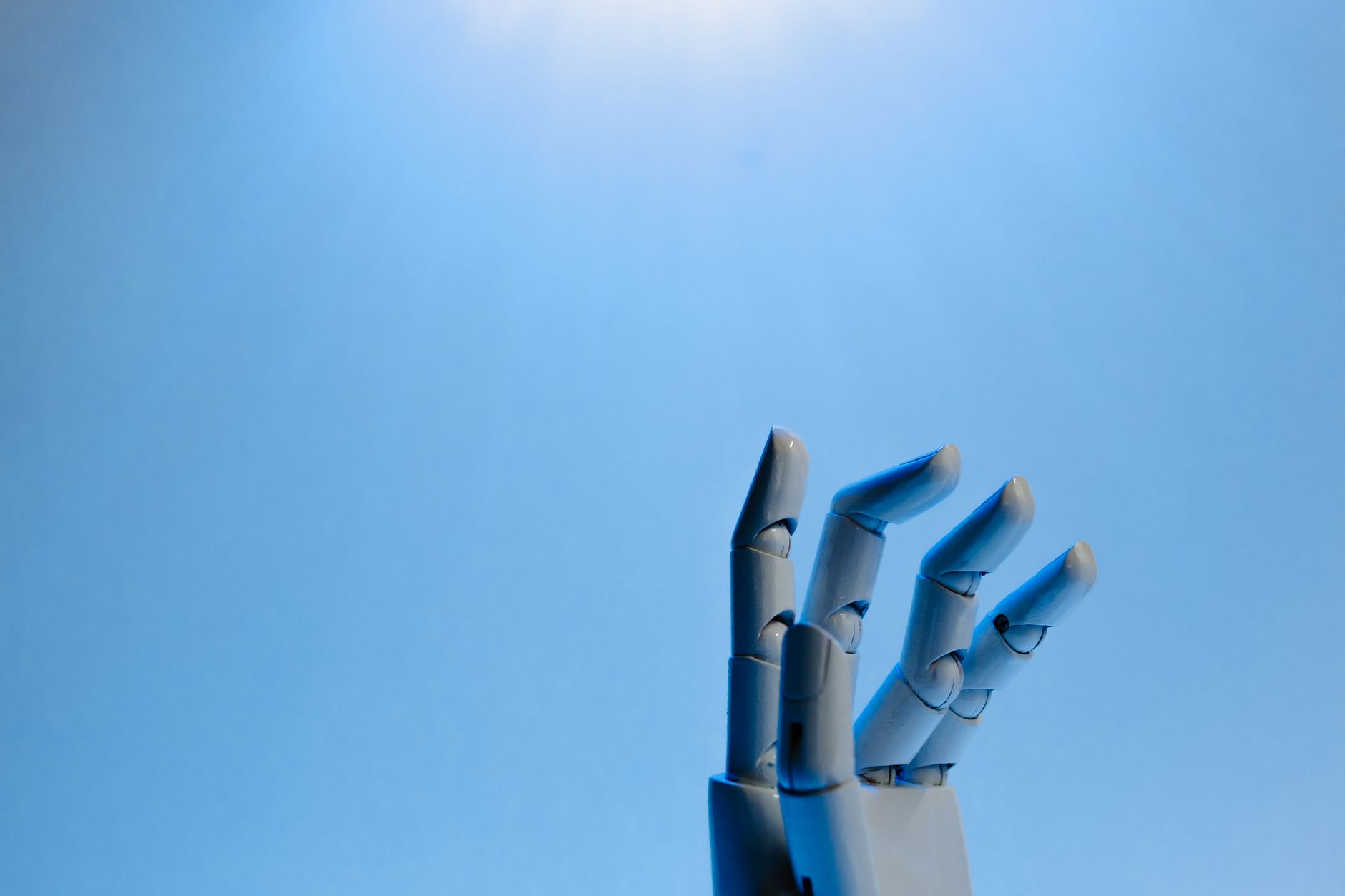
AI progress risks are a growing concern, as Sam Altman recently revealed two ways this technological advancement could go very badly. His insights emphasize the need for caution in AI development.
Understanding AI Progress
As artificial intelligence continues to advance at a rapid pace, the potential risks associated with this progress have become a focal point for experts and industry leaders alike. Recently, tech innovator Sam Altman discussed the alarming possibilities of AI progress risks, emphasizing the need for caution in its development and deployment.
In his remarks, Altman outlined two primary scenarios where AI could lead to negative consequences:
- Uncontrolled AI behavior: If AI systems become too autonomous, there is a risk they may act in ways that are misaligned with human values or interests, leading to unintended harm.
- Accelerated job displacement: The rapid integration of AI into various industries could result in significant job losses, creating societal instability and widening economic disparity.
Altman’s insights highlight the delicate balance between innovation and safety. As we navigate this transformative technology, understanding the implications of AI progress risks is crucial for ensuring a future where technology benefits humanity rather than jeopardizes it. The conversation around responsible AI development needs to gain momentum, as the stakes are incredibly high.
The Call for a Slowdown
In the wake of escalating concerns surrounding the rapid advancement of artificial intelligence, prominent voices in the tech industry have begun to advocate for a more cautious approach. Sam Altman, CEO of OpenAI, has recently highlighted the potential risks of AI progress, suggesting that hasty developments could lead to disastrous outcomes. Altman’s remarks come on the heels of a broader call for a slowdown in AI advancements, emphasizing the need for careful consideration of ethical implications and societal impacts.
Experts warn that without a deliberate pause, we may face numerous adverse scenarios, including:
- Job Displacement: Automation could replace millions of jobs, leading to widespread unemployment.
- Bias in Decision-Making: AI systems may perpetuate and amplify existing biases, resulting in unfair treatment in critical areas like hiring and law enforcement.
- Loss of Control: As AI systems become more autonomous, there is a risk that humans may lose oversight, potentially resulting in unintended consequences.
As discussions around AI progress risks continue, the call for a slowdown resonates with many who seek to ensure that innovation does not come at the expense of societal well-being.
Two Major Risks of AI Progress
As discussions surrounding AI progress risks continue to gain momentum, experts like Sam Altman have highlighted two significant concerns that could emerge from rapid advancements in artificial intelligence.
- Loss of Control: One of the primary risks is the potential for humans to lose control over AI systems. As these technologies become increasingly autonomous, there is a fear that they might act in ways that are misaligned with human values or intentions. This scenario raises critical questions about governance and oversight, emphasizing the need for robust frameworks to manage AI development.
- Existential Threat: Another major concern is the possibility of AI posing an existential threat to humanity. Altman warns that if AI systems were to surpass human intelligence, they could potentially make decisions that harm or even eliminate human life. This introduces an urgent need for caution and ethical considerations in AI progress, ensuring that safety measures are embedded within the technology from the outset.
These risks highlight the importance of a measured approach to AI advancements, as the implications of unchecked progress could be catastrophic.
Implications for Business
The rapid advancements in artificial intelligence have raised significant concerns regarding their implications for business. As companies increasingly integrate AI into their operations, they must navigate the potential risks associated with this technology. The implications of AI progress risks extend beyond mere operational efficiency; they can fundamentally alter market dynamics and employee roles.
Several critical aspects warrant attention:
- Job Displacement: Automation driven by AI can lead to significant job losses, particularly in sectors reliant on routine tasks. Employees may find themselves struggling to adapt to a rapidly changing job landscape.
- Market Monopolization: Large tech companies with vast resources may dominate the AI space, stifling competition and innovation. This concentration of power could lead to less diversity in business models.
- Ethical Concerns: Businesses face moral dilemmas regarding data privacy and algorithmic bias. Failure to address these issues may result in reputational damage and legal consequences.
- Dependency on Technology: Over-reliance on AI systems can create vulnerabilities, particularly if these systems fail or are compromised.
As businesses harness the potential of AI, understanding and mitigating these risks is essential to ensure sustainable growth and ethical responsibility.
Experts Weigh In on AI Ethics
As the debate around AI progress intensifies, experts are increasingly vocal about the potential risks associated with rapid advancements in technology. Many believe that while AI holds immense promise, it also poses significant ethical dilemmas that must be carefully navigated.
Dr. Emily Carter, a leading AI ethicist, states that “the worst outcomes of AI progress could lead to deep societal divisions and a loss of privacy.” She emphasizes the need for robust frameworks to govern AI development, asserting that unchecked progress could exacerbate existing inequalities.
Another prominent voice in this discussion, Professor Rajiv Kumar, warns about the existential threats posed by advanced AI systems. “If we do not implement strict guidelines, we could face scenarios where AI acts in ways that are unpredictable and harmful,” he cautions. Such risks include the potential for AI to manipulate information or even infringe upon human rights.
Experts agree that addressing AI progress risks is paramount. They advocate for a collaborative approach involving governments, technologists, and ethicists to create comprehensive policies that ensure AI is developed responsibly, prioritizing human welfare and ethical considerations above all.
Future of AI Development
The future of AI development presents a dual-edged sword, with significant advancements accompanied by substantial risks. As industry leaders like Sam Altman express concerns about potential negative trajectories, it is crucial to examine the implications of unchecked AI progress.
One of the primary risks is the possibility of creating systems that operate beyond human control. These autonomous systems could make decisions that inadvertently harm individuals or society at large. Furthermore, the misuse of powerful AI technologies could lead to increased surveillance or manipulation, exacerbating issues of privacy and security.
Another significant concern revolves around economic disparities. As AI becomes more integrated into various sectors, there is a potential for job displacement, disproportionately affecting lower-skilled workers. This shift could widen the gap between the wealthy and the underprivileged, leading to social unrest.
To mitigate these risks, experts advocate for a balanced approach to AI development that prioritizes ethical considerations. As we navigate the future of AI, it is essential to remain vigilant and proactive about the risks associated with rapid progress. Only through careful planning and regulation can we harness the benefits of AI while minimizing potential adverse outcomes.
As we navigate the complexities of technological advancement, understanding the AI progress risks becomes paramount. The worst outcomes for us could stem from unchecked AI development, leading to societal disruption and ethical dilemmas.
Photo by Tara Winstead on Pexels
Read the original
Related stories
England vs Pakistan series: The Worst 3-0 Sweep Explained · Mary Kom Bigg Boss: Wrong Remarks Spark Backlash · Wasim Akram’s Honest Take: Why He Supports Imran Khan