
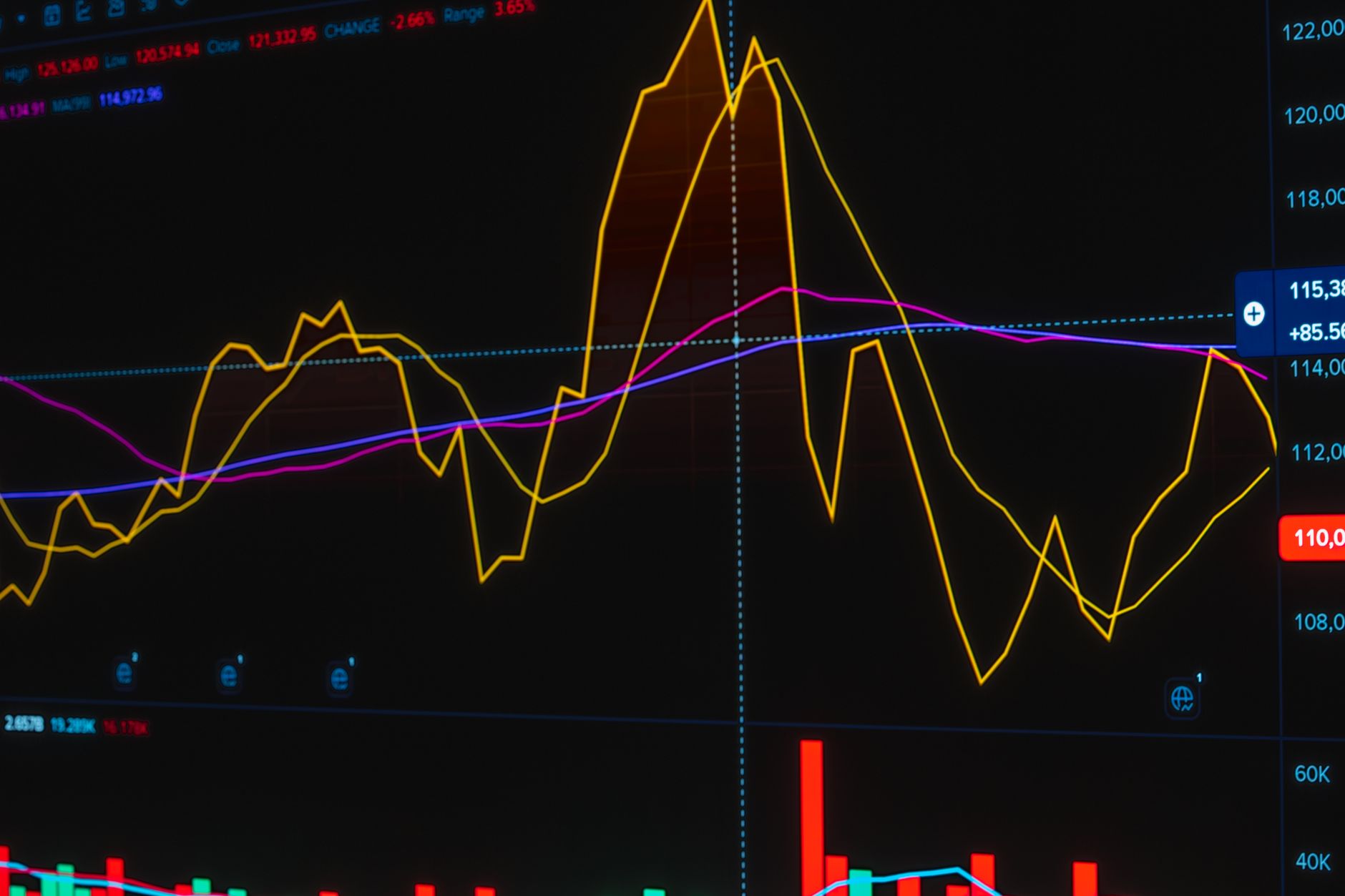
Dow Jones falls as the market reacts to rising oil prices and yields ahead of the Federal Reserve’s decision. Investors are cautious, leading to a significant decline.
Market Overview
The Dow Jones falls significantly ahead of the Federal Reserve’s upcoming decision, reflecting investor anxiety. Reports indicate a decline of over 300 points in the index, driven by rising oil prices and elevated bond yields. Analysts are closely monitoring these factors as they may influence the Fed’s monetary policy.
Key elements contributing to this market volatility include:
- Oil Prices: The ongoing surge in oil prices is raising concerns about inflation and its impact on economic growth.
- Bond Yields: Higher bond yields are attracting investor attention, leading to shifts in the market dynamics.
- Investor Sentiment: Anxiety surrounding interest rate hikes is palpable, contributing to the Dow Jones falls.
Market participants remain cautious as they await signals from the Fed that could steer future financial strategies.
Impact of Oil Prices
The recent fluctuations in oil prices have significantly contributed to the market turmoil. Investors are closely monitoring these changes, as soaring oil prices can lead to increased inflationary pressures, prompting further interest rate hikes from the Federal Reserve.
As the Dow Jones falls, market analysts highlight the following points:
- Rising oil costs: The recent spike in crude oil prices has raised concerns about the overall economic impact.
- Inflation worries: Higher oil prices are often linked to increased consumer costs, which can dampen spending.
- Market sentiment: Investors are anxious about potential Fed actions, leading to a sell-off in stocks.
With the Dow Jones falls reflecting broader economic anxieties, the interplay between oil prices and market stability remains a critical focus for investors.
Federal Reserve’s Role
The upcoming decision by the Federal Reserve is creating significant uncertainty in the market, contributing to the Dow Jones falls. Investors are closely monitoring signals from the Fed regarding interest rates, as higher rates could exacerbate market volatility.
The Fed’s actions in response to inflation will be crucial, and many analysts expect:
- Rate hikes: Continued increases could further pressure the stock market.
- Earnings outlook: A more cautious approach might lead to better performance in certain sectors.
- Market sentiment: The central bank’s tone will heavily influence investor confidence.
As traders brace for the Fed’s announcement, the fear of a worsening economic outlook looms large, escalating the impact of the recent Dow Jones falls.
Investor Sentiment
Investor sentiment has taken a significant hit as the Dow Jones falls by another 300 points, reflecting growing concerns in the market. Many investors are apprehensive about the upcoming Federal Reserve decision, which could drastically influence interest rates. The uncertainty surrounding inflation and economic stability has led to increased volatility.
In this challenging environment, several factors are affecting investor behavior:
- Rising oil prices: Continued increases in oil costs are straining consumer budgets and could lead to a slowdown in spending.
- Higher bond yields: With yields climbing, many are reevaluating their stock investments, seeking safer returns in bonds.
- Market psychology: Fear and uncertainty often drive traders to sell off shares, exacerbating the declining trend.
Economic Indicators
As the Dow Jones falls, economic indicators are raising concerns among investors. Recent reports show a significant rise in inflation, prompting fears of tighter monetary policy from the Federal Reserve. Key indicators include:
- Consumer Price Index (CPI): The latest CPI data indicates a persistent increase in consumer prices, which has led to speculation about future interest rate hikes.
- Unemployment Rates: While unemployment remains low, wage growth has not kept pace with inflation, straining consumer spending.
- Manufacturing Output: A decline in manufacturing output signals potential weaknesses in economic growth, further contributing to the Dow’s decline.
These economic indicators suggest that the market may face continued volatility, especially as investors await the Federal Reserve’s decision on interest rates.
Recent Trends in Yields
In recent trading sessions, the financial landscape has shown notable fluctuations in yields, contributing to the overall market volatility. Analysts observed that as the Dow Jones falls, the yield on the benchmark 10-year Treasury note rose to its highest level in months. This uptick reflects growing concerns among investors about inflation and interest rate hikes.
Key trends include:
- Increased borrowing costs: Higher yields often signal rising borrowing costs for consumers and businesses, which can dampen economic growth.
- Market reactions: Investors are closely monitoring the Federal Reserve’s upcoming decisions, anticipating impacts on bond yields and consequently on stock markets.
- Global influences: International economic data continues to affect yields, leading to unpredictable reactions in the U.S. market.
Future Market Predictions
As investors brace for potential shifts in monetary policy, market predictions are becoming increasingly cautious. The recent downturn, where the Dow Jones falls another 300 points ahead of the Federal Reserve’s decision, has left many analysts pondering the future trajectory of the index.
Several factors could influence upcoming market movements:
- Interest Rate Adjustments: If the Fed raises rates, it may further pressure equity markets.
- Inflation Trends: Continued high inflation could lead to tighter monetary policies.
- Global Economic Conditions: International events and oil price fluctuations may impact investor confidence.
- Corporate Earnings Reports: Upcoming earnings will provide insights into company performance amid rising costs.
Investor sentiment remains fragile, making the next few weeks critical for market stability.
Analysis of Dow Jones Performance
The recent performance of the Dow Jones falls highlights increasing volatility in the market. As investors brace for the upcoming Federal Reserve decision, several factors contribute to this significant downturn.
Key elements influencing the decline include:
- Persistent inflation concerns: Elevated oil prices continue to strain consumer spending and corporate profits.
- Rising yields: The bond market’s response to potential interest rate hikes has created unease among investors.
- Global economic uncertainties: Ongoing geopolitical tensions and supply chain disruptions add to market instability.
In the face of these challenges, the Dow Jones falls serve as a cautionary signal for market participants. Investors are keenly awaiting the Federal Reserve’s upcoming decision, which may further influence market dynamics in the days ahead.
Photo by Rafael Minguet Delgado on Pexels
References
Related reading
Oil Price Surge: WTI Hits $105 Amid Supply Disruptions · Retail inflation August 2023: Is it the worst trend yet? · AI progress risks: What are the worst outcomes for us?