
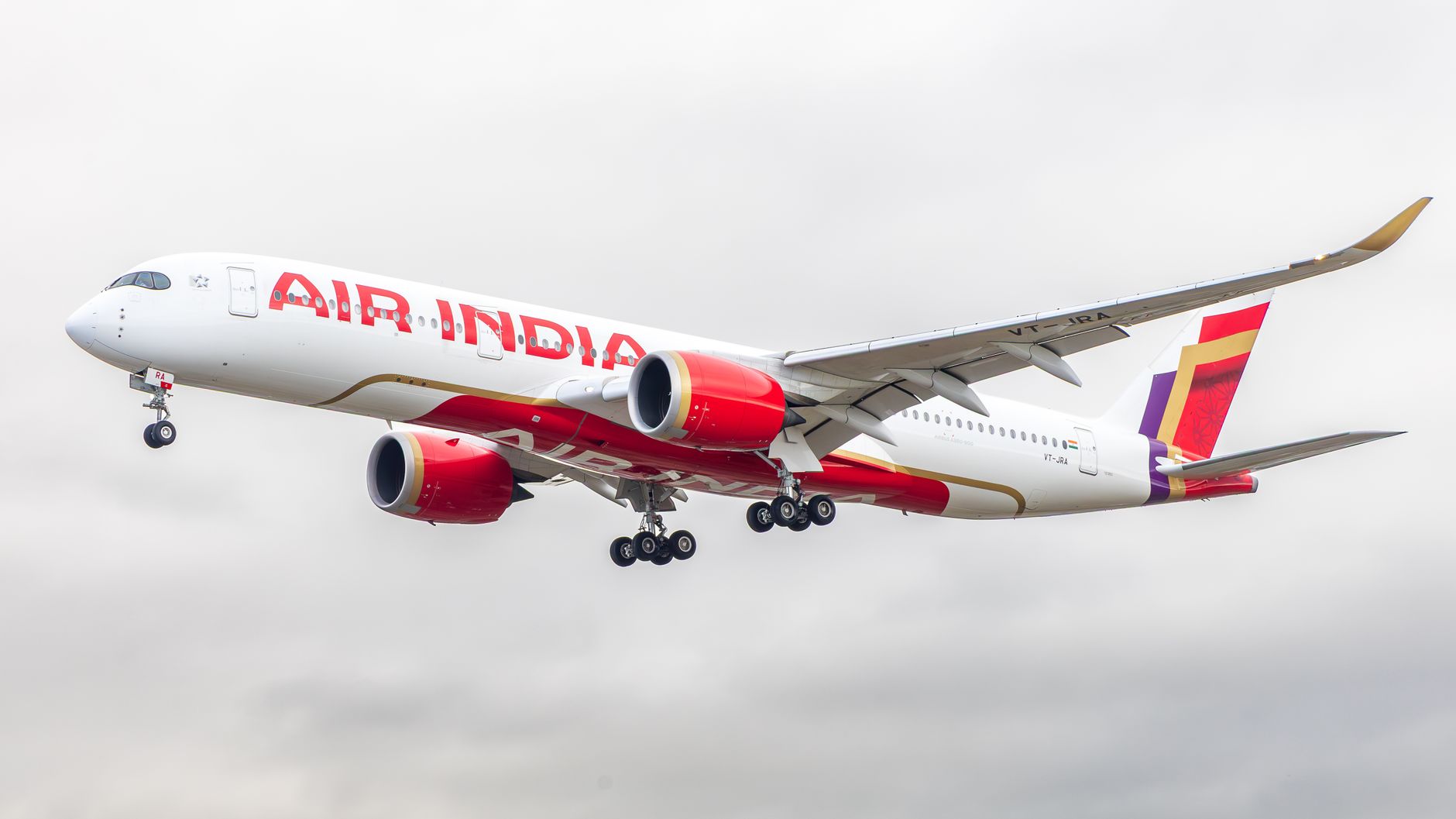
Air India A350 engines are becoming increasingly costly to maintain, leading CEO Tewolde Gebremariam to explore ways to reduce these soaring expenses.
Understanding Air India A350 Engines
The Air India A350 engines are a crucial component of the airline’s long-haul fleet, offering advanced technology and fuel efficiency. However, recent reports indicate that the maintenance costs associated with these engines are becoming increasingly burdensome.
Chief Executive Officer Tewolde Gebremariam has expressed concerns over the rising expenses linked to the A350 engines, which could impact the airline’s overall operational efficiency. The A350, equipped with state-of-the-art engines, provides significant advantages in terms of performance and environmental sustainability. Yet, as the airline navigates these challenges, it must address the financial implications of maintaining such sophisticated machinery.
To combat these soaring costs, Air India is exploring various strategies, including:
- Negotiating better service agreements with engine manufacturers
- Implementing more effective maintenance programs
- Investing in training for maintenance personnel
As the airline works to manage these challenges, the future of the Air India A350 engines remains a focal point in its operational strategy.
Current Maintenance Cost Challenges
Air India is currently facing significant challenges with the maintenance costs associated with its A350 engines. The increasing expenses have prompted CEO Tewolde Gebremariam to seek solutions to mitigate these financial burdens. As the airline industry continues to recover post-pandemic, the rising operational costs are becoming a pressing concern for many carriers, including Air India.
The maintenance of A350 engines involves various factors that contribute to the overall expense, such as:
- Parts Replacement: The need for high-quality replacement parts can lead to increased costs.
- Labor Costs: Skilled technicians are required for maintenance, which raises labor expenses.
- Frequency of Maintenance: More frequent checks and repairs can escalate costs significantly.
- Technological Updates: Keeping engines updated with the latest technology can further add to expenses.
Addressing these challenges is crucial for Air India to maintain competitive pricing and service quality, as soaring maintenance costs for A350 engines could impact the airline’s profitability in the long run.
CEO Tewolde Gebremariam’s Strategy
In light of the rising maintenance costs associated with Air India A350 engines, CEO Tewolde Gebremariam has laid out a comprehensive strategy aimed at mitigating these financial burdens. His approach involves a multi-faceted review of operational efficiencies and supplier agreements.
One key aspect of Gebremariam’s strategy is enhancing collaboration with engine manufacturers to ensure that maintenance protocols are optimized. This includes:
- Regular Performance Assessments: Implementing frequent evaluations of engine performance to identify potential issues before they escalate.
- Supplier Negotiations: Engaging in discussions with suppliers to secure better terms and lower costs for maintenance services.
- Training and Development: Investing in training programs for maintenance crews to improve their skills and reduce reliance on external services.
By focusing on these areas, Gebremariam aims to not only streamline operations but also enhance the longevity and reliability of the A350 engines. This proactive approach is expected to significantly reduce costs while maintaining the high standards expected from Air India.
Impact on Air India’s Operations
The rising maintenance costs of the Air India A350 engines are beginning to affect the airline’s overall operations. As the airline grapples with these expenses, it is facing challenges in maintaining its fleet’s efficiency and reliability. The A350 engines, known for their advanced technology and fuel efficiency, have become a double-edged sword, with soaring maintenance requirements leading to increased downtime.
As a result, Air India is exploring several strategies to mitigate the impact of these costs. These include:
- Negotiating with Suppliers: The airline is working closely with engine manufacturers to secure better maintenance deals.
- Implementing Predictive Maintenance: Utilizing data analytics to anticipate maintenance needs and prevent costly repairs.
- Training Programs: Investing in training for maintenance crews to enhance their expertise in handling A350 engines.
With these initiatives, Air India aims to ensure that rising maintenance costs do not compromise its operational capabilities or customer service standards, thereby securing its position in a competitive aviation market.
The rising maintenance costs associated with the Air India A350 engines have become a significant concern for the airline. As these engines require more frequent servicing, the financial implications are beginning to impact Air India’s overall operational budget.
Photo by Dan Wright on Pexels