
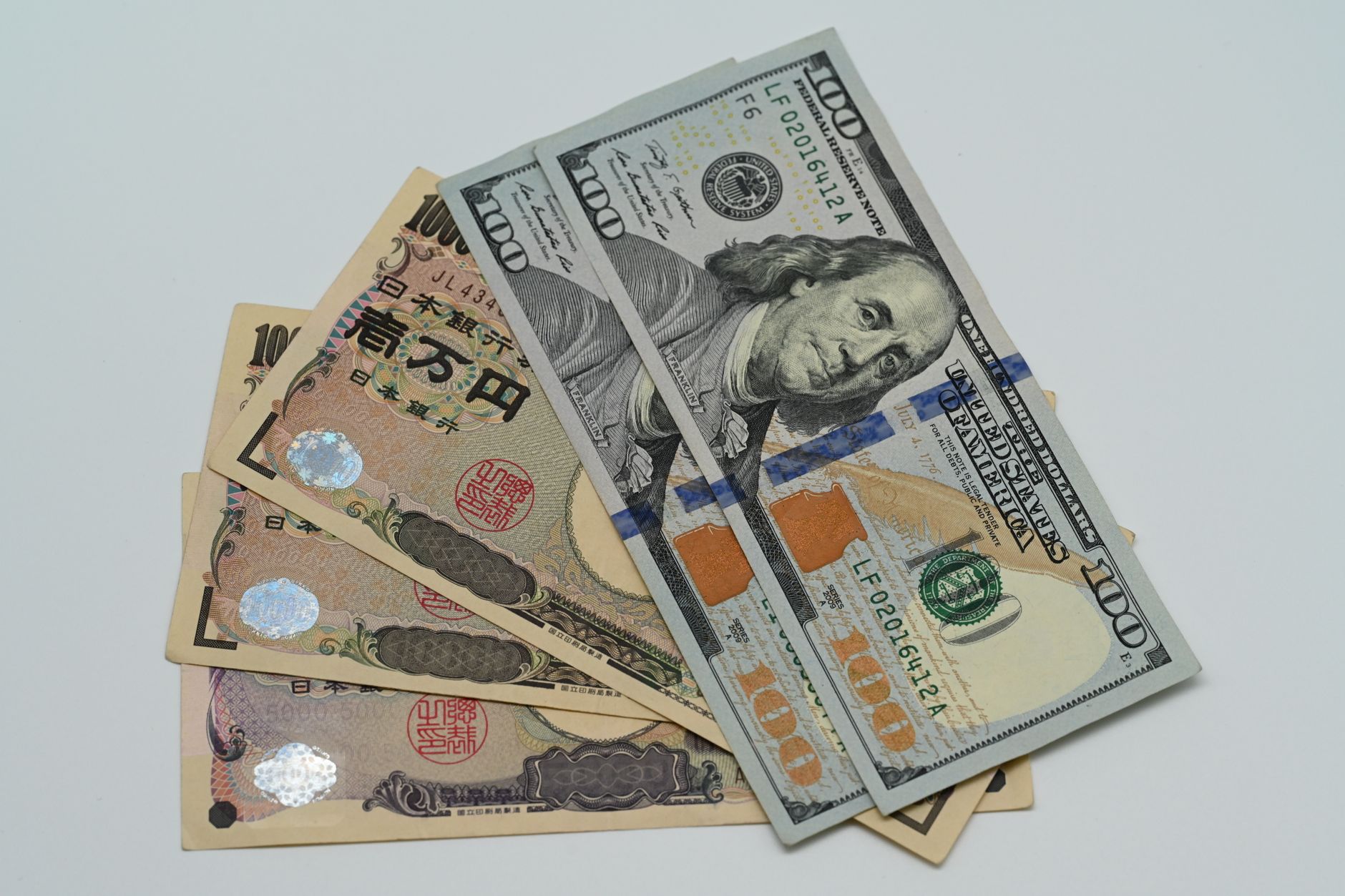
The dollar yen exchange rate has soared, hitting a fresh 19-month peak and marking the yen’s decline to 160 for the first time since September. This shift raises questions for investors.
Understanding the Dollar Yen Exchange Rate
The dollar yen exchange rate has recently garnered significant attention as the dollar reaches a 19-month peak while the yen has depreciated to levels not seen since September. This fluctuation in currency value can have profound implications for investors and businesses engaged in international trade.
Several factors contribute to the current state of the dollar yen exchange rate:
- Monetary Policy Divergence: The Federal Reserve’s aggressive stance on interest rates contrasts sharply with the Bank of Japan’s continued commitment to low rates, creating a favorable environment for the dollar.
- Economic Indicators: Recent economic data from the United States has painted a robust picture, encouraging investment in dollar-denominated assets, while Japan grapples with sluggish growth.
- Market Sentiment: Investor confidence in the U.S. economy is bolstered by strong corporate earnings, while concerns about Japan’s economic outlook weigh heavily on the yen.
As the dollar yen exchange rate continues to evolve, potential investors must carefully consider these dynamics. Timing investments in currencies can be challenging, particularly in an environment marked by volatility and uncertainty.
Factors Influencing Currency Fluctuations
The dollar yen exchange rate is influenced by a myriad of factors that can cause significant fluctuations in the market. Understanding these elements is crucial for investors looking to navigate the complexities of foreign exchange.
- Interest Rates: Central banks play a pivotal role in determining currency values. When the U.S. Federal Reserve raises interest rates, the dollar often strengthens against the yen, attracting foreign investment.
- Economic Indicators: Key economic reports, such as GDP growth, employment figures, and inflation rates, can sway investor sentiment. A robust economic outlook for the U.S. typically bolsters the dollar yen exchange rate.
- Geopolitical Events: Political stability or unrest can impact currency values. For instance, tensions in East Asia may lead investors to seek safer assets, affecting the yen’s strength.
- Market Sentiment: Investor confidence and market psychology significantly influence currency trading. A bullish outlook on the U.S. economy can drive up demand for the dollar, while pessimism may weaken it against the yen.
In conclusion, the dollar yen exchange rate is subject to a complex interplay of economic and geopolitical factors, making it essential for investors to stay informed to make sound decisions.
How Investors Should Respond to Currency Changes
In light of recent developments in the dollar yen exchange rate, investors are faced with crucial decisions on how to respond to the fluctuating currency market. Understanding the implications of these changes is vital for making informed investment choices.
Firstly, it is essential for investors to stay updated on economic indicators that influence currency values. Monitoring interest rates, inflation, and geopolitical events can provide insights into future trends. This information allows investors to adjust their strategies accordingly.
Secondly, diversification is key. By spreading investments across different assets and currencies, investors can mitigate risks associated with currency fluctuations. This strategy helps cushion against potential losses linked to adverse movements in the dollar yen exchange rate.
Additionally, considering hedging options can be beneficial. Instruments such as options and futures contracts can protect investments from unfavorable shifts in currency values, enabling investors to stabilize returns.
Finally, patience and a long-term perspective should guide investment decisions. Short-term volatility may tempt quick actions, but maintaining a steady approach can lead to more substantial gains over time.
In summary, by staying informed, diversifying investments, exploring hedging options, and adopting a long-term view, investors can effectively navigate the challenges posed by changes in the currency market.
Recent Trends in Global Currency Markets
Recent trends in the global currency markets have indicated a significant shift in the dynamics of the dollar yen exchange rate. As the dollar scales a fresh 19-month peak, the yen has faced considerable pressure, hitting the 160 mark for the first time since September. This unprecedented movement has left investors and analysts closely monitoring the situation.
Several factors have contributed to this recent volatility. Central bank policies play a crucial role, with the U.S. Federal Reserve signaling a continuation of its tighter monetary stance in response to rising inflation. In contrast, the Bank of Japan has maintained its ultra-loose monetary policy, which has further weakened the yen against the dollar.
Market sentiment has also shifted dramatically, as investors seek safe-haven assets amid global economic uncertainties. The divergence between the two economies has widened the gap in their respective currencies, resulting in a fluctuating dollar yen exchange rate that is challenging for many traders.
- Increased demand for the dollar due to higher interest rates.
- Japan’s continued economic struggles and trade deficits.
- Geopolitical tensions impacting currency stability.
As these trends continue to evolve, the implications for investors looking at the dollar yen exchange rate remain significant.
Economic Implications of Currency Movements
The recent fluctuations in the dollar yen exchange rate have significant economic implications for both domestic and international markets. As the dollar reaches a fresh 19-month peak, and the yen hits 160 for the first time since September, investors are faced with important decisions regarding their portfolios.
One of the primary effects of a strong dollar is on trade balances. A higher dollar value can make U.S. exports more expensive, potentially reducing demand from foreign buyers. Conversely, imports become cheaper, which may lead to increased consumption of foreign goods. This shift can adversely affect domestic manufacturers and the overall economy.
Additionally, currency movements influence inflation rates. A strong dollar may help keep inflation in check by lowering the cost of imported goods. However, it can also lead to deflationary pressures on the economy, impacting consumer spending and business investment.
Investors should also consider how currency fluctuations can affect foreign investments. A weakening yen could mean higher returns for U.S. investors holding Japanese assets, but it also raises risks associated with currency conversion at unfavorable rates.
In summary, the dollar yen exchange rate is not just a number; it has profound effects on economic stability, trade dynamics, and investment strategies.
Photo by Qing Luo on Pexels