
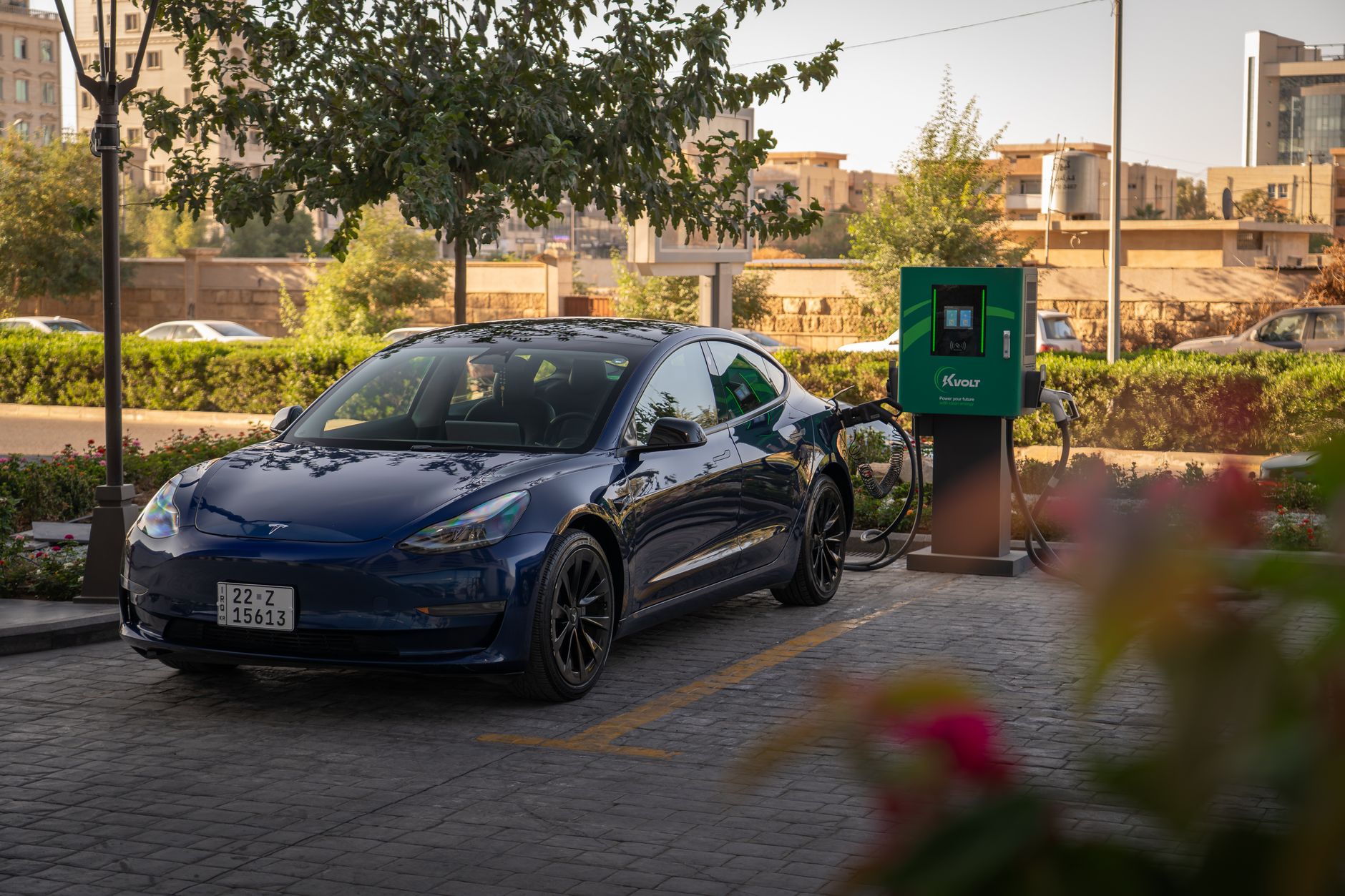
Electric car sales September 2026 have shown remarkable growth, highlighting the competitive landscape among Tata, Mahindra, MG, and others. This article explores the key trends and insights from the market.
Overview of Electric Car Sales
In September 2026, electric car sales witnessed a remarkable surge, reflecting a growing consumer preference for sustainable transportation options. Major automakers, including Tata, Mahindra, MG, VinFast, Kia, Maruti, BYD, Hyundai, and BMW, reported significant increases in sales figures compared to the previous year.
The increase in electric car sales can be attributed to several key factors:
- Government Incentives: Many countries have introduced attractive incentives to encourage the adoption of electric vehicles, making them more affordable for consumers.
- Expanded Charging Infrastructure: The growth of charging stations has alleviated range anxiety, making electric cars more convenient for everyday use.
- Technological Advancements: Improvements in battery technology have enhanced the performance and range of electric vehicles, appealing to a broader audience.
- Environmental Awareness: Increasing concerns about climate change have led consumers to opt for greener alternatives, boosting electric car sales.
Overall, the trends observed in electric car sales for September 2026 indicate a positive shift towards sustainable mobility, paving the way for a greener future.
Key Players in the Market
In September 2026, the electric car sales landscape is increasingly competitive, with several key players dominating the market. Major automotive brands are investing heavily in electric vehicle (EV) technology to capture the growing demand.
Among the leading manufacturers, Tata and Mahindra continue to make significant strides, leveraging their established presence in the Indian market. MG and VinFast are also emerging as strong contenders, attracting consumers with innovative designs and advanced technology.
Internationally, Kia and Hyundai have expanded their electric lineups, offering a range of options that cater to various consumer preferences. Furthermore, BMW has committed to sustainability, ensuring that their electric models meet both performance and environmental standards.
While Maruti is gradually stepping into the electric vehicle segment, BYD remains a formidable force, known for its extensive experience in electric mobility. As electric car sales in September 2026 reflect these trends, industry analysts predict continued growth and innovation across all brands.
Comparative Analysis of Brands
In September 2026, the electric car sales landscape showcased a dynamic competitive environment, with several brands making notable gains. A comparative analysis of brands reveals distinct trends in consumer preferences and market positioning.
- Tata Motors continued to dominate the market, leveraging its strong regional presence and affordable models that appealed to budget-conscious buyers.
- Mahindra saw a significant increase in sales, thanks to its diverse electric vehicle lineup that caters to various customer needs.
- MG introduced innovative features in its electric cars, attracting tech-savvy consumers and contributing to a marked rise in sales.
- VinFast emerged as a strong contender, focusing on high-performance electric vehicles that captivated enthusiasts.
- Kia and Hyundai maintained their positions with stylish designs and effective marketing strategies, appealing particularly to younger demographics.
- BMW emphasized luxury and sustainability, appealing to affluent buyers looking for premium electric options.
- Maruti carved out its niche with compact electric vehicles that met urban mobility demands.
Overall, the electric car sales in September 2026 reveal a rapidly evolving market, with brands responding to consumer needs and preferences in innovative ways.
Consumer Preferences in 2026
As electric car sales in September 2026 continue to rise, consumer preferences are evolving, reflecting an increasing demand for sustainability and innovation. Many buyers are now prioritizing features that enhance the driving experience while minimizing environmental impact.
According to recent surveys, the following factors are influencing consumer choices:
- Range and Efficiency: A significant number of consumers are looking for electric vehicles (EVs) that offer longer ranges on a single charge, with many favoring models that can exceed 300 miles.
- Charging Infrastructure: Accessibility to fast-charging stations is a key consideration, as buyers prefer brands that provide extensive charging networks.
- Technology Integration: Advanced infotainment systems and autonomous driving features are becoming essential, with consumers showing a strong inclination towards tech-savvy vehicles.
- Affordability: While many consumers are willing to invest in quality, the price point remains crucial; EVs that offer competitive pricing without compromising on features are particularly appealing.
These trends highlight that as electric car sales in September 2026 grow, manufacturers must adapt to meet the evolving preferences of their customers.
Impact of Government Policies
The landscape of electric car sales in September 2026 has been significantly influenced by various government policies aimed at promoting sustainable transportation. These policies have created a favorable environment for manufacturers and consumers alike, boosting the adoption of electric vehicles across the globe.
In many regions, governments have implemented incentive programs that include tax breaks, rebates, and grants for both consumers purchasing electric cars and manufacturers investing in production facilities. Such measures have made electric car sales in September 2026 more appealing, as buyers are more likely to consider these vehicles when financial barriers are lowered.
Moreover, stringent emission regulations have prompted automakers to accelerate their shift towards electric models. This has resulted in a wider variety of options for consumers, increasing competition among brands like Tata, Mahindra, and Hyundai. Additionally, public charging infrastructure has seen significant improvements, supported by government funding, making it easier for potential buyers to transition to electric vehicles.
In conclusion, the impact of government policies on electric car sales in September 2026 cannot be overstated, as they continue to shape consumer choices and industry practices.
Technological Advances in EVs
The landscape of electric car sales in September 2026 has been significantly shaped by technological advances that enhance performance and user experience. Car manufacturers are increasingly investing in research and development to introduce innovative features that appeal to a broader audience.
Key advancements in electric vehicles (EVs) include:
- Battery Technology: The introduction of solid-state batteries has improved energy density, leading to longer ranges and shorter charging times.
- Autonomous Driving: Enhanced software and sensor technology have paved the way for more reliable self-driving capabilities, attracting tech-savvy consumers.
- Smart Connectivity: Integration of advanced infotainment systems and connectivity features allow drivers to manage their vehicles remotely, elevating the overall ownership experience.
- Sustainability: Manufacturers are focusing on environmentally friendly materials, aligning with consumer preferences for sustainable products.
These technological strides are not only boosting electric car sales in September 2026 but are also setting the stage for future developments in the EV market. As manufacturers like Tata, Mahindra, and BYD continue to innovate, consumers can expect an even more compelling array of choices in the years to come.
Future Predictions for Electric Vehicles
The future of electric car sales in September 2026 looks promising as several trends are set to shape the market. Industry experts predict a significant increase in demand for electric vehicles (EVs) driven by advancements in battery technology and charging infrastructure.
One major trend is the rise of affordable EV models, making electric cars more accessible to a broader audience. Companies like Tata and Maruti are expected to play a pivotal role in this shift, introducing budget-friendly options without compromising on quality.
Additionally, the integration of smart technology in vehicles will enhance consumer experience. Features such as autonomous driving and advanced connectivity will attract tech-savvy buyers, further boosting electric car sales in September 2026.
Another crucial factor will be the growing emphasis on sustainability. As consumers become more environmentally conscious, brands that prioritize eco-friendly practices are likely to gain a competitive edge.
In conclusion, the electric car market is poised for substantial growth, influenced by affordability, technological innovation, and an increasing awareness of environmental issues. The trends revealed today will play a vital role in shaping the future landscape of electric car sales.
Challenges Facing the Industry
The electric car sales in September 2026 are expected to face several challenges that could impact growth in the industry. As the market becomes increasingly competitive, manufacturers are encountering issues that may hinder their ability to meet consumer demand.
- Supply Chain Disruptions: The ongoing global supply chain issues continue to affect the availability of critical components, such as batteries and semiconductors, which are essential for electric vehicle production.
- Infrastructure Limitations: Despite advancements, the charging infrastructure is still not widespread enough to support a significant increase in electric car sales. Many consumers remain hesitant to make the switch due to range anxiety.
- Regulatory Hurdles: While government policies have generally supported EV adoption, shifting regulations and standards can create uncertainty for manufacturers trying to navigate compliance.
- Competition from Traditional Automakers: Established brands are ramping up their electric offerings, which intensifies competition and can dilute market share for newer players like VinFast and BYD.
These challenges must be addressed for electric car sales in September 2026 to achieve their full potential and align with consumer expectations.
Electric car sales September 2026 have shown a remarkable increase compared to previous years, highlighting the growing consumer demand for sustainable transportation. As manufacturers ramp up production, electric car sales September 2026 are expected to soar even higher in the coming months.
Photo by 04iraq on Pexels