
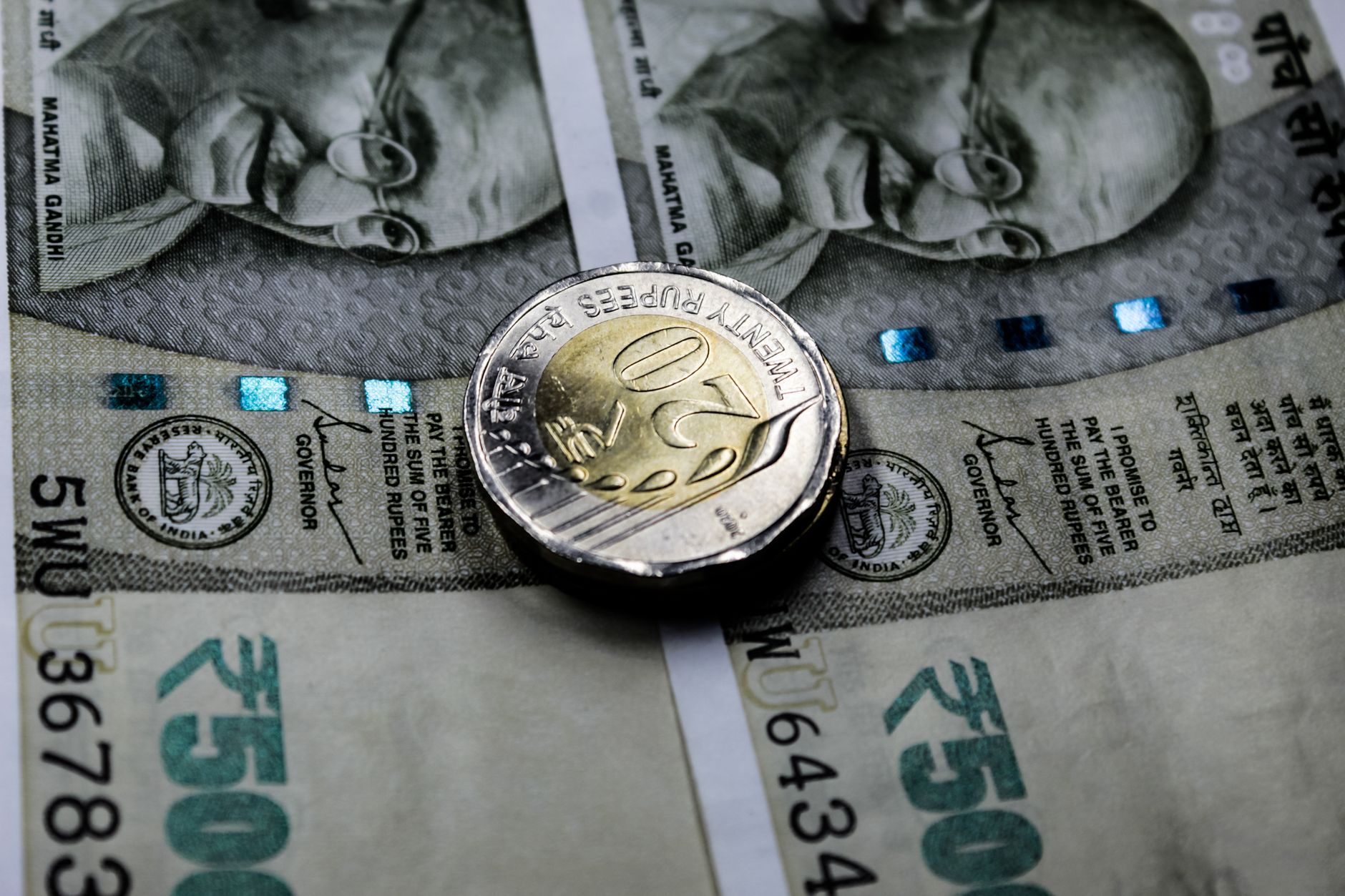
India rupee weekly fall has been observed despite a recent rate hike, reflecting adverse flows and weak market sentiment. This trend raises concerns among investors and analysts alike.
Understanding the India rupee weekly fall
The recent India rupee weekly fall has raised concerns among investors as the currency depreciated despite the Reserve Bank of India’s rate hike. This decline is attributed to a combination of adverse market flows and weak investor sentiment.
Several factors have contributed to this situation, including:
- Global Economic Uncertainty: Ongoing geopolitical tensions and inflation fears have negatively impacted emerging markets, including India.
- Foreign Investment Outflows: As global interest rates rise, foreign investors are withdrawing funds from Indian markets, further pressuring the rupee.
- Domestic Economic Indicators: Sluggish growth and high inflation rates have compounded the challenges facing the Indian economy.
Market analysts suggest that the India rupee weekly fall could continue if these trends persist, leading to increased volatility in both currency and equity markets. The weakening currency not only affects import costs but also poses challenges for India’s broader economic recovery. Stakeholders are urged to monitor these developments closely as they unfold.
Factors contributing to currency decline
The recent decline of the India rupee has raised concerns among investors and market analysts alike. Several factors have contributed to this weekly fall, making the currency vulnerable to fluctuations in the global economy.
- Global Economic Uncertainty: The ongoing geopolitical tensions and economic slowdowns in major economies have led to a flight of capital from emerging markets, including India.
- Weak Domestic Sentiment: Despite the recent interest rate hike by the Reserve Bank of India, local investor confidence remains low, affected by inflationary pressures and rising costs of living.
- Adverse Capital Flows: Increased outflows from foreign portfolio investors have put additional pressure on the rupee, as many are seeking safer investment avenues amid uncertainty.
- Rising Oil Prices: As India is a major oil importer, the recent spike in crude oil prices has exacerbated the trade deficit, further weakening the currency.
These factors collectively contribute to the ongoing India rupee weekly fall, highlighting the vulnerabilities that may impact future market stability.
Impact of rate hikes on the rupee
The recent trend in the India rupee weekly fall has been significantly influenced by the ongoing rate hikes implemented by the Reserve Bank of India (RBI). While these hikes are generally intended to strengthen the currency, the current economic climate has resulted in a paradoxical effect.
Despite the RBI’s efforts to stabilize the rupee through increased interest rates, several factors have contributed to a continued decline:
- Adverse capital flows: Increased outflows from foreign investments have put additional pressure on the rupee.
- Weak global sentiment: Global economic uncertainties have dampened investor confidence, leading to a sell-off in emerging markets, including India.
- High inflation rates: Persistently high inflation has eroded purchasing power and raised concerns about the economic outlook.
As a result, the rupee’s value has been unable to recover, underscoring the complex relationship between monetary policy and currency stability. The impact of these rate hikes has not yielded the expected positive outcomes, leaving the market to grapple with the repercussions of a weak rupee amidst challenging economic conditions.
Market reactions to currency fluctuations
The recent India rupee weekly fall has sent ripples through the financial markets, prompting varied reactions from investors and analysts alike. As the currency continues to decline despite interest rate hikes, market sentiments remain precarious.
Several key factors have influenced market reactions, including:
- Investor Sentiment: A prevailing sense of uncertainty has caused many investors to adopt a cautious stance, resulting in reduced trading volumes.
- Foreign Investment Flows: The adverse flows of foreign investments have been a significant concern, with many global investors reevaluating their positions in the Indian market.
- Commodity Prices: Fluctuating global commodity prices have also impacted market stability, with rising oil prices increasing the burden on the rupee.
The combination of these elements has created a challenging environment for traders. Analysts predict that unless the underlying issues are addressed, the India rupee weekly fall may continue to exert downward pressure on the markets, leading to further volatility in the near future.
Future outlook for the Indian rupee
The future outlook for the Indian rupee remains uncertain as the currency faces ongoing challenges. The India rupee weekly fall has raised concerns among investors and market analysts, particularly in light of recent global economic developments.
Several factors could influence the trajectory of the rupee in the coming weeks:
- Global Economic Trends: Fluctuations in the global economy, including trade tensions and geopolitical issues, may continue to exert pressure on the rupee.
- Monetary Policy Adjustments: The Reserve Bank of India’s monetary policy decisions will be crucial in stabilizing the rupee, especially if further rate hikes are anticipated.
- Foreign Investment Flows: A decline in foreign direct investment (FDI) and portfolio flows could exacerbate the rupee’s depreciation.
- Market Sentiment: Investor confidence will play a vital role; negative sentiment can lead to increased selling pressure on the currency.
As these factors unfold, market participants will be closely monitoring developments to gauge the potential impact on the Indian rupee’s performance.
Photo by Ravi Roshan on Pexels