
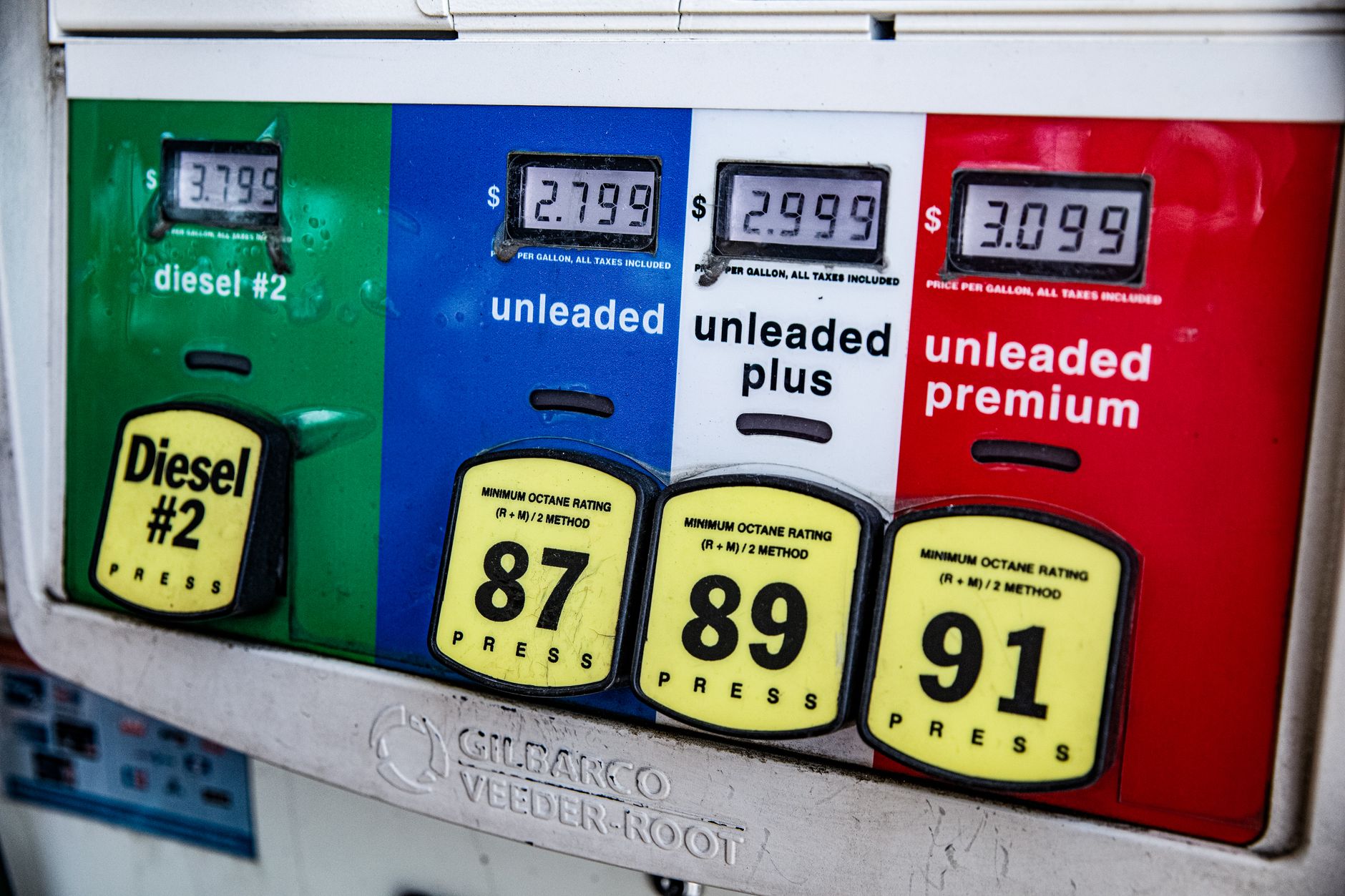
oil prices plunge below $92, significantly impacting the global economy and market dynamics. This sudden drop raises questions about future trends and geopolitical influences.
Understanding Recent Oil Price Movements
Recently, the global oil market has experienced significant volatility, culminating in a dramatic decline as oil prices plunge below $92 per barrel. This shift is primarily attributed to various geopolitical factors and market dynamics.
One key influence has been the recent statements from former President Donald Trump regarding Iran, suggesting a more restrained approach to sanctions. This has led to speculation about potential increases in Iranian oil supply, which could further saturate the market.
Analysts have pointed to several factors contributing to these price movements:
- Geopolitical Tensions: Ongoing conflicts in oil-producing regions have historically influenced prices.
- Market Sentiment: Traders often react swiftly to news, causing immediate fluctuations in oil prices.
- Supply and Demand Dynamics: Changes in production levels by OPEC and non-OPEC countries can significantly impact overall supply.
As oil prices plunge, the implications for global markets are profound. Countries heavily reliant on oil exports may face economic challenges, while consumers could benefit from lower fuel prices, illustrating the complex interplay of factors at play in the oil market.
Factors Influencing Oil Prices
The recent plunge in oil prices has left analysts scrambling to identify the underlying factors contributing to this sudden shift. Several key elements are influencing the current market landscape.
- Geopolitical Tensions: Ongoing conflicts and political instability in oil-rich regions have historically impacted supply, but recent signals of restraint from global leaders, particularly concerning Iran, have eased fears of disruptions.
- Supply Chain Dynamics: Increased production from major oil countries, coupled with a commitment from OPEC to maintain output levels, has led to an oversupply in the market, driving prices down.
- Economic Indicators: Global economic trends, including slowing growth in major economies, have resulted in reduced demand forecasts, further contributing to the decline in oil prices.
- Alternative Energy Sources: The rise of renewable energy and advancements in technology are shifting focus away from fossil fuels, impacting long-term demand for oil.
As oil prices plunge, these factors will play a crucial role in shaping the future of global markets and the energy landscape.
The Role of Geopolitics in Oil Pricing
The recent plunge in oil prices highlights the intricate relationship between geopolitics and market dynamics. As tensions in the Middle East fluctuate, the oil market remains highly sensitive to political developments. The announcement by former President Trump regarding a more restrained approach to Iran has significantly impacted investor sentiment, leading to a rapid decrease in oil prices.
Market analysts suggest that this geopolitical shift could have several implications:
- Supply Stability: A reduction in hostilities may result in a more stable supply chain, alleviating fears of potential disruptions that often drive prices up.
- Investor Confidence: Lower geopolitical tensions can bolster investor confidence, encouraging investment in commodities and stabilizing prices further.
- Economic Repercussions: Countries heavily reliant on oil exports may face economic challenges as oil prices plunge, impacting their fiscal health and global market stability.
Overall, while the immediate effects of the decline in oil prices are felt across the globe, the underlying geopolitical factors remain crucial in shaping future market trends.
Market Reactions to Oil Price Changes
The recent plunge in oil prices has sent shockwaves through global markets, prompting immediate reactions from investors and analysts alike. As oil prices drop below $92, the implications for various sectors are becoming increasingly clear.
Experts are closely monitoring several key areas affected by this shift:
- Energy Stocks: Companies in the energy sector have experienced significant volatility, with many stocks facing downward pressure as analysts adjust their forecasts in response to lower oil prices.
- Consumer Spending: A decrease in oil prices could lead to lower gasoline costs, potentially increasing disposable income for consumers. This shift may result in heightened spending in other areas of the economy.
- Inflation Rates: Lower oil prices can have a deflationary effect, contributing to a slowdown in inflation. Central banks may reconsider their monetary policies as a result.
- Emerging Markets: Countries heavily reliant on oil exports are likely to face economic challenges. A plunge in oil prices could threaten their fiscal stability and economic growth.
As the situation develops, the real impact of changing oil prices on global markets will continue to unfold, leaving stakeholders to navigate the complexities of the shifting landscape.
Implications for Investors and Businesses
The recent plunge in oil prices has sent shockwaves through global markets, raising significant concerns among investors and businesses alike. With oil prices now below $92, the implications are manifold.
For Investors:
- Stock Volatility: Energy stocks, particularly those of oil and gas companies, have experienced increased volatility. Investors may need to reassess their portfolios to mitigate risks associated with fluctuating oil prices.
- Opportunity for Bargains: While some sectors suffer, others may find opportunities. Lower oil prices could benefit transportation and manufacturing industries, prompting investors to explore stocks in those areas.
For Businesses:
- Cost Structure Adjustments: Companies reliant on oil for operations will see a shift in their cost structures, potentially lowering production costs and increasing margins.
- Consumer Impact: Reduced oil prices may lead to lower transportation costs, which can translate into lower prices for consumers, stimulating demand in various sectors.
Ultimately, the plunge in oil prices presents both challenges and opportunities, necessitating strategic adjustments from investors and businesses to navigate this volatile landscape.
Future Predictions for Oil Prices
As oil prices plunge below $92, analysts are closely examining potential future trends in the oil market. Several factors could influence the trajectory of oil prices in the coming months, and understanding these can provide insights for investors and businesses alike.
One possibility is that increased supply from key producers may lead to a further decline in oil prices. If countries such as the United States ramp up production, the surplus could drive prices even lower. On the other hand, geopolitical tensions, especially in the Middle East, could create sudden spikes in oil prices, counteracting current trends.
Additionally, global economic conditions will play a critical role. A slowdown in major economies may reduce demand for oil, contributing to a sustained drop in prices. Conversely, a swift economic recovery could lead to a rebound in oil prices.
Market experts also emphasize the importance of OPEC’s decisions. Should the organization opt to cut production in response to falling prices, it could stabilize the market.
In conclusion, while current trends indicate that oil prices will remain volatile, the interplay of these various factors makes future predictions uncertain.
Analysis of Trump’s Iran Strategy
As oil prices plunge, the implications of Trump’s Iran strategy become increasingly significant for global markets. His approach has been characterized by a dual strategy of sanctions and open dialogue, aimed at curtailing Iran’s nuclear ambitions while avoiding direct military confrontation. This delicate balance has resulted in fluctuating market responses, particularly in the oil sector.
Analysts suggest that Trump’s recent signals of restraint towards Iran have contributed to the current dip in oil prices. By indicating a willingness to negotiate rather than escalate tensions, the market has reacted positively, anticipating a potential increase in oil supply. This shift in sentiment has led to a decrease in prices, with many investors reassessing their positions in light of reduced geopolitical risks.
However, the long-term effects of this strategy remain uncertain. Key factors include:
- Iran’s Response: How Iran will react to the U.S. strategy could reshape market dynamics.
- OPEC’s Influence: Decisions made by OPEC members in response to changing prices will also play a critical role.
- Global Demand: Fluctuations in global demand for oil amidst economic uncertainties may further impact pricing.
In conclusion, while the current state of oil prices reflects a momentary easing of tensions, the broader implications of Trump’s Iran strategy will require careful monitoring.
The recent trend where oil prices plunge has sent shockwaves through various sectors of the global economy. As investors react to the news, the implications of these oil prices plunge are becoming increasingly apparent across markets worldwide.
Photo by Ekaterina Belinskaya on Pexels