
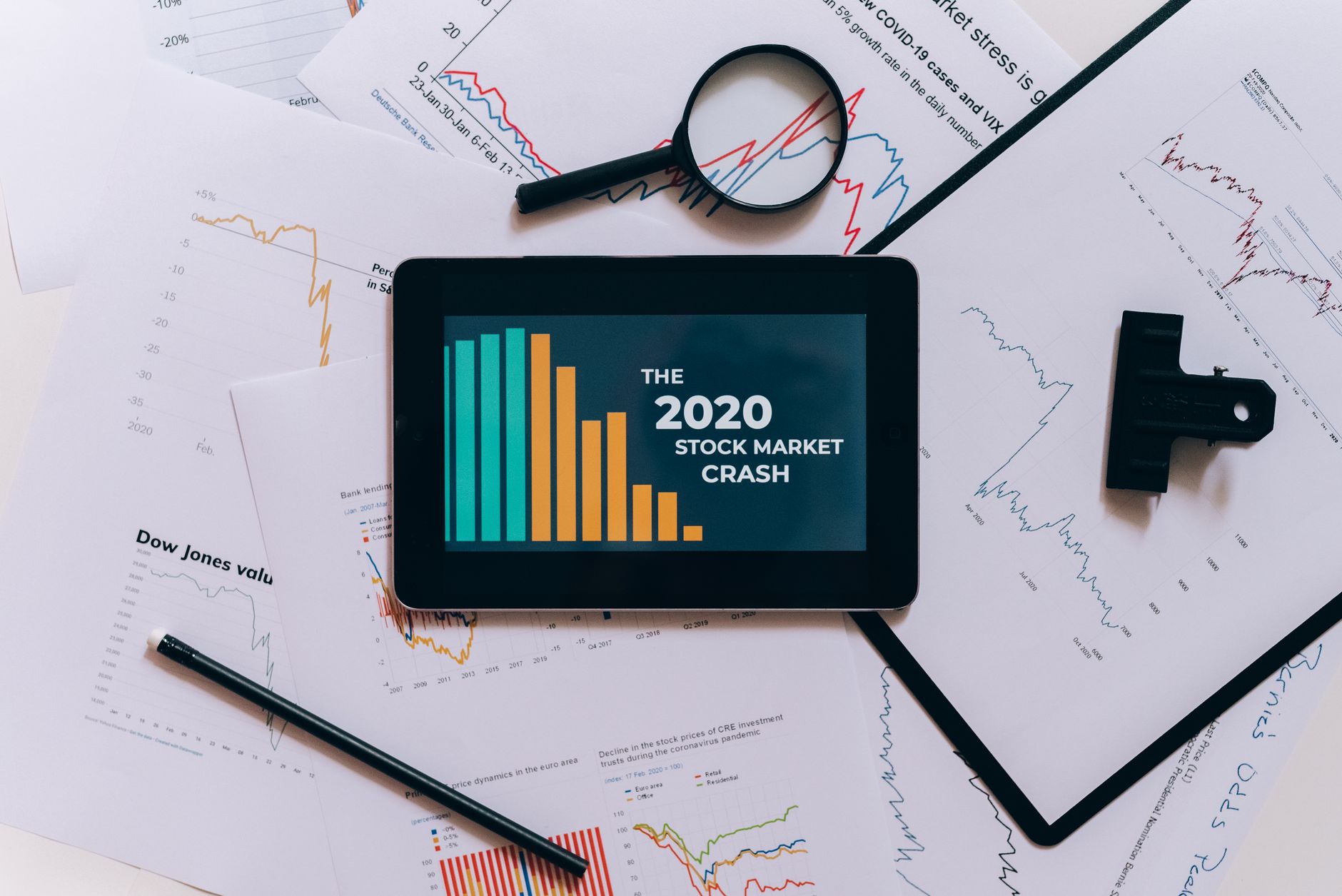
Stock Market Crash has left investors anxious as Nifty and Sensex face over three-month lows, with major stocks like L&T Finance and Max Financial plummeting.
Understanding the Stock Market Crash
The recent stock market crash has left investors in shock as both the Nifty and Sensex plummeted to their lowest points in over three months. This significant downturn is attributed to a combination of market uncertainties and global economic factors influencing investor sentiment.
During such a crash, key indicators often reveal underlying issues affecting market stability. Analysts have pointed out several contributing factors, including:
- Global Economic Slowdown: Concerns over international trade and economic growth.
- Inflation Rates: Rising inflation affecting purchasing power and corporate profits.
- Interest Rate Hikes: Increased borrowing costs leading to reduced consumer spending.
As companies like L&T Finance and Max Financial see declines of up to 12%, the market remains volatile, prompting investors to reassess their strategies in this turbulent environment.
Key Factors Behind the Decline
The recent stock market crash has left investors reeling, with both Nifty and Sensex experiencing their worst day in months. Several key factors have contributed to this decline:
- Global Economic Concerns: Uncertainty in the global economy, especially regarding inflation and interest rates, has led to a lack of investor confidence.
- Domestic Issues: Political instability and economic reforms have raised concerns about future growth.
- Corporate Earnings: Disappointing quarterly results from major companies have sparked fears about profitability, particularly in the financial sector.
- Market Sentiment: Panic selling among retail investors has amplified the downward trend, exacerbating the impact of the stock market crash.
As the markets continue to fluctuate, analysts urge caution and a thorough analysis before making investment decisions.
Impact on Investors and Traders
The recent stock market crash has left investors and traders grappling with significant losses. With Nifty and Sensex plunging to over three-month lows, the sentiment in the markets has turned overwhelmingly negative. Many retail investors, who entered the market during the bullish phases, are now facing uncertainty.
Several traders have reported a surge in panic selling, as fear of further declines has taken hold. The following points highlight the impact on investors:
- Loss of confidence: Many investors are questioning the stability of their portfolios.
- Increased volatility: The market has become unpredictable, leading to erratic trading patterns.
- Withdrawal of funds: Some traders are pulling out their investments to avoid further losses.
The emotional toll on investors is palpable, with many seeking advice on how to navigate these turbulent times.
Expert Opinions on Market Recovery
Experts are weighing in on the recent stock market crash, which has left many investors anxious about future recovery. Financial analysts suggest that while the current downturn is significant, it may be a temporary setback.
According to Rajesh Kumar, a leading market strategist, “Investor sentiment has been shaken, but history shows that markets often rebound after such declines.” He emphasized the importance of long-term strategies over reactionary decisions.
Additionally, market analysts believe that the fundamentals of many companies remain strong, which could support a gradual recovery. “Investors should look for opportunities within the volatility,” said Neha Singh, a prominent economist.
However, they also caution that several external factors, including global economic conditions and government policies, will play a crucial role in shaping the recovery trajectory of indices like Nifty and Sensex.
Future Predictions for Nifty and Sensex
As investors grapple with the recent stock market crash, many are left wondering what the future holds for Nifty and Sensex. Analysts predict a period of volatility, with potential for further declines before any signs of recovery emerge.
Several key factors are likely to influence market movements in the coming weeks:
- Global Economic Trends: The performance of international markets and economic indicators will play a crucial role.
- Domestic Policy Changes: Government decisions regarding fiscal policies and reforms could sway investor confidence.
- Investor Sentiment: How traders react to the current downturn will impact market recovery timelines.
In summary, while uncertainty looms, many experts urge patience, emphasizing that markets can rebound over time, albeit with potential fluctuations along the way.
How to Navigate Market Volatility
As the stock market crash continues to unfold, investors may find themselves feeling uncertain about their next steps. Navigating market volatility requires a strategic approach and a calm mindset. Here are some essential tips to consider:
- Stay Informed: Keep up with reliable financial news sources to monitor market trends and expert analyses.
- Diversify Your Portfolio: Avoid putting all your investments in one sector; consider spreading your assets across various industries.
- Evaluate Your Risk Tolerance: Understand your financial goals and how much risk you are willing to take during turbulent times.
- Avoid Panic Selling: Reacting impulsively to market fluctuations can lead to significant losses; instead, assess your options carefully.
By employing these strategies, investors can better manage their portfolios amidst the ongoing stock market crash.
Photo by Leeloo The First on Pexels